

25,217 bed nets distributed to protect families from malaria
August 18, 2026
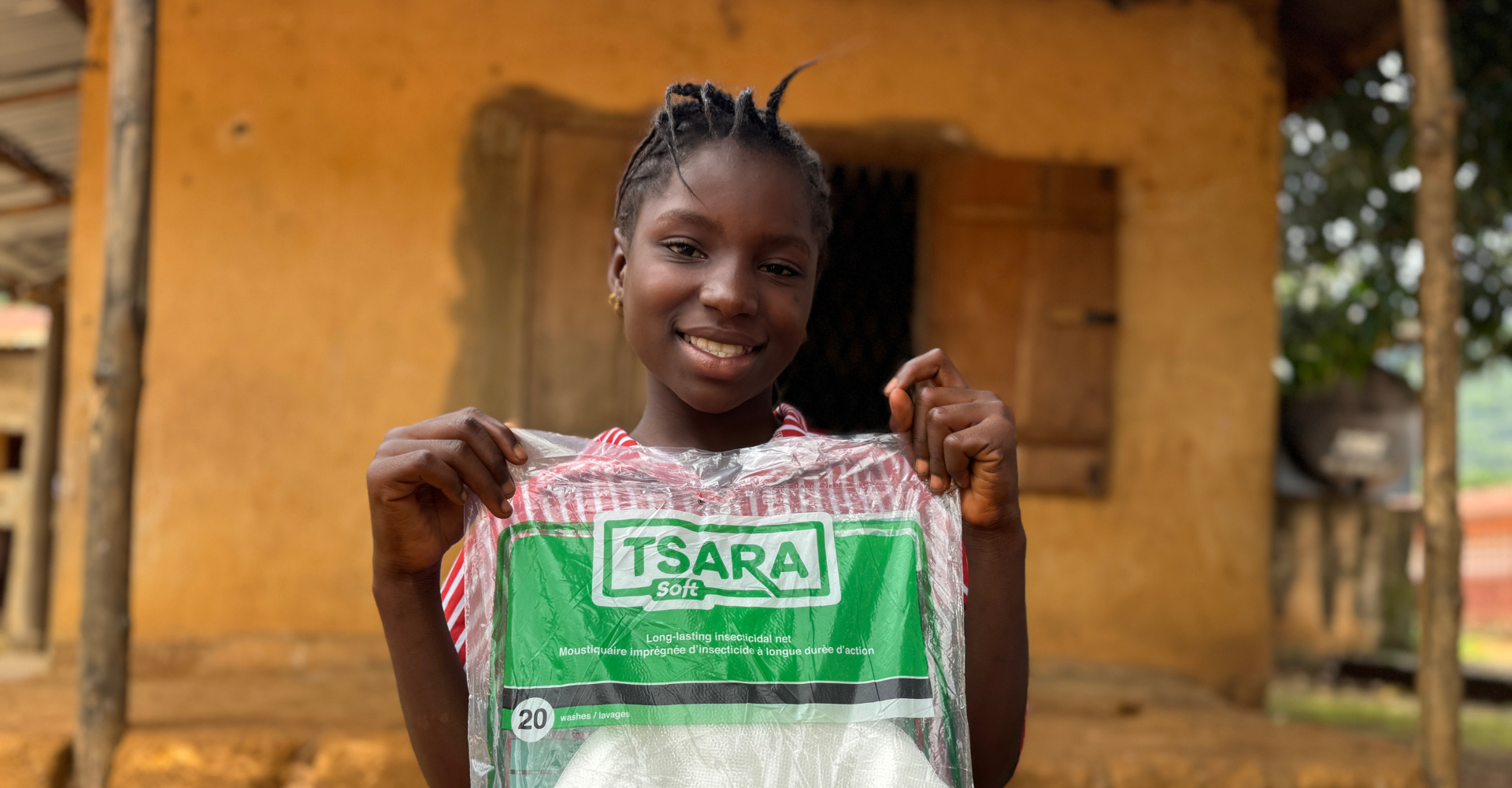
Hawa with her bed net in her home in Koinadugu District.
For 11-year-old Hawa, staying healthy is an important part of staying focused on her education.
A Class 6 pupil and one of four siblings, Hawa dreams of becoming a nurse because she wants to save people’s lives. But before receiving a treated mosquito bed net, malaria was making it difficult for her to stay well, let alone focus on school.
In June, Hawa fell ill with malaria and lost her appetite. Even her favorite meal, “acheke” prepared by her mother, was difficult to eat. She also experienced body aches and weakness.
Her family lives close to a swamp, a potential breeding ground for mosquitoes, and her siblings had also fallen ill with malaria several times. Hawa’s sleeping space did not have a bed net, leaving her and her family vulnerable to mosquito bites, particularly at night.
That changed in early July when Hawa received a treated mosquito bed net shortly before schools closed for the holidays.
Today, the bed net hangs over the place where Hawa sleeps with her younger sister and mother.
“Now I can sleep under the bed net,” Hawa explained.
With greater protection from malaria, Hawa can focus more on school and her dream of becoming a nurse. After school, she also helps her mother with household chores.
Hawa isn’t alone. Alice, a 19-year-old Early Childhood Development (ECD) teacher and mother of a one-year-old son, has felt the same relief.
Before her family received a net, her son frequently suffered from malaria, with symptoms severe enough that on some nights, when his fever spiked, Alice had to rush him to the hospital. “Since I received the bed net, my son, my husband and I don’t suffer from malaria anymore,” she said.
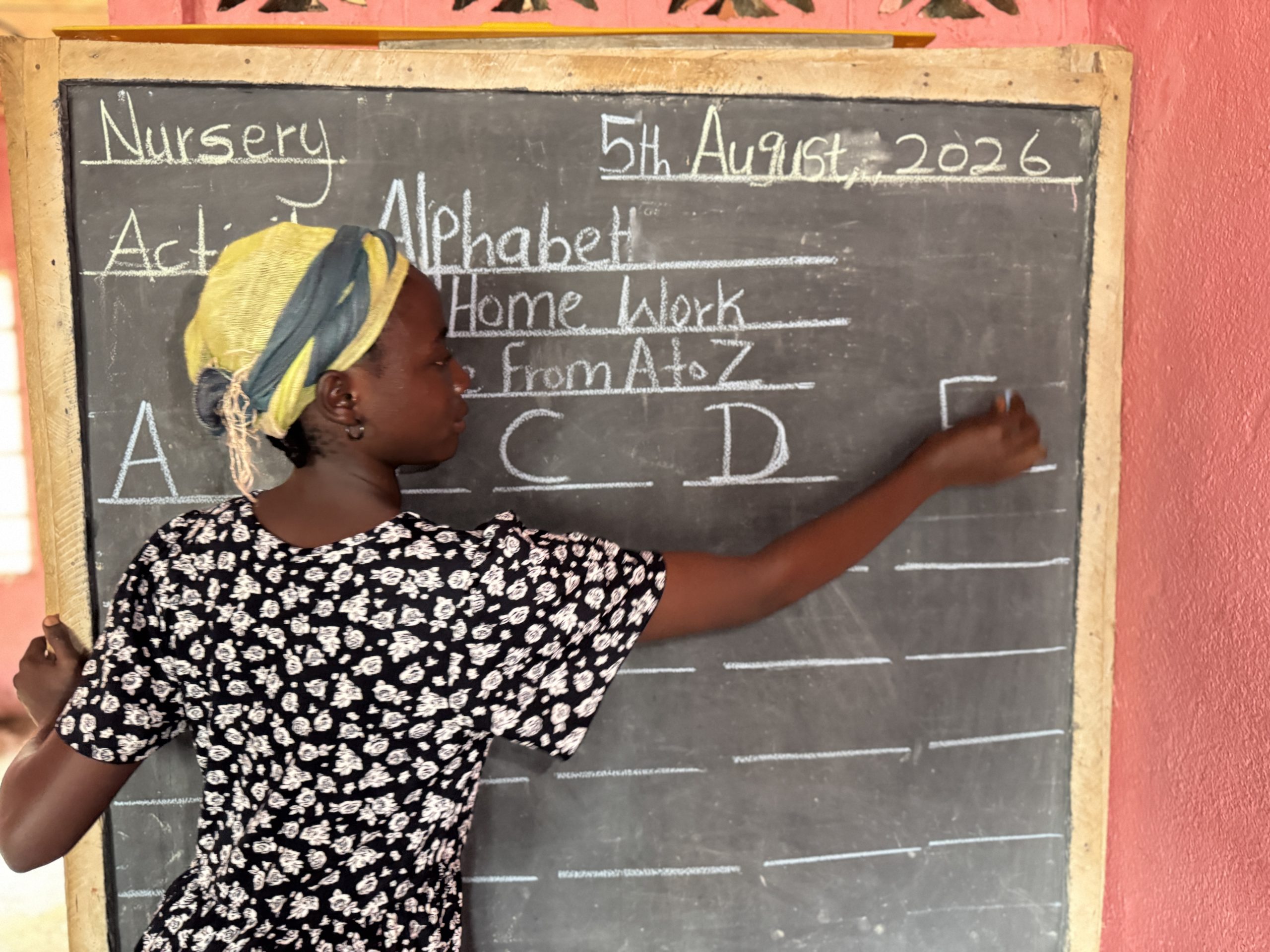
For young families like Alice’s, preventing malaria can mean fewer emergency trips to health facilities, less disruption to work and caregiving, and more time for children at her ECD to grow, learn and thrive.
“We have distributed 25,217 long lasting insecticide net (LLIN) in five districts across Sierra Leone,” Senior Project Coordinator Sydnella Rogers shares while adding that the distribution is part of the Malaria Prevention for Children and Women of Reproductive Age and People with Disability Project.
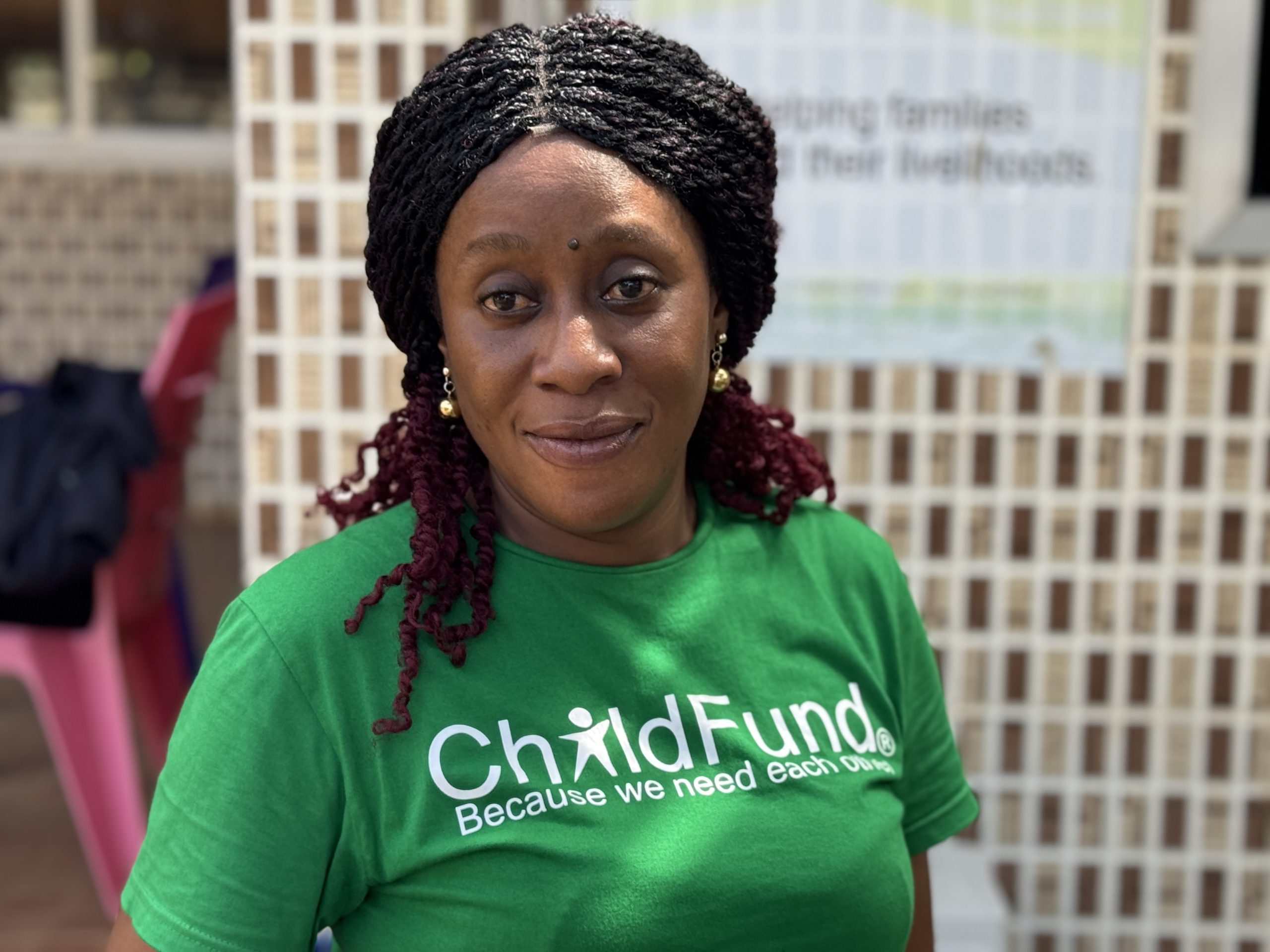
“We have distributed 25,217 long lasting insecticide net (LLIN) in five districts across Sierra Leone,” Senior Project Coordinator Sydnella Rogers shares while adding that the distribution is part of the Malaria Prevention for Children and Women of Reproductive Age and People with Disability Project.
During distribution, Amid Sesay, Malaria Focal Lead for Koinadugu, worked with children and families to reinforce correct net use.
“The most important thing about this is one bed net to a child, even if they are from the same household,” Sesay said. Shared sleeping spaces mean a single net in a home doesn’t protect every child in it, which is why each child receives their own.
According to Sesay, the quality of the nets means they are expected to provide protection for at least two years when properly used and maintained.
He said malaria cases have dropped significantly in communities where nets were distributed, though one chiefdom continues to record higher prevalence, a gap the team is now addressing through additional Community Health Worker (CHW) visits and follow-up education on correct net use.
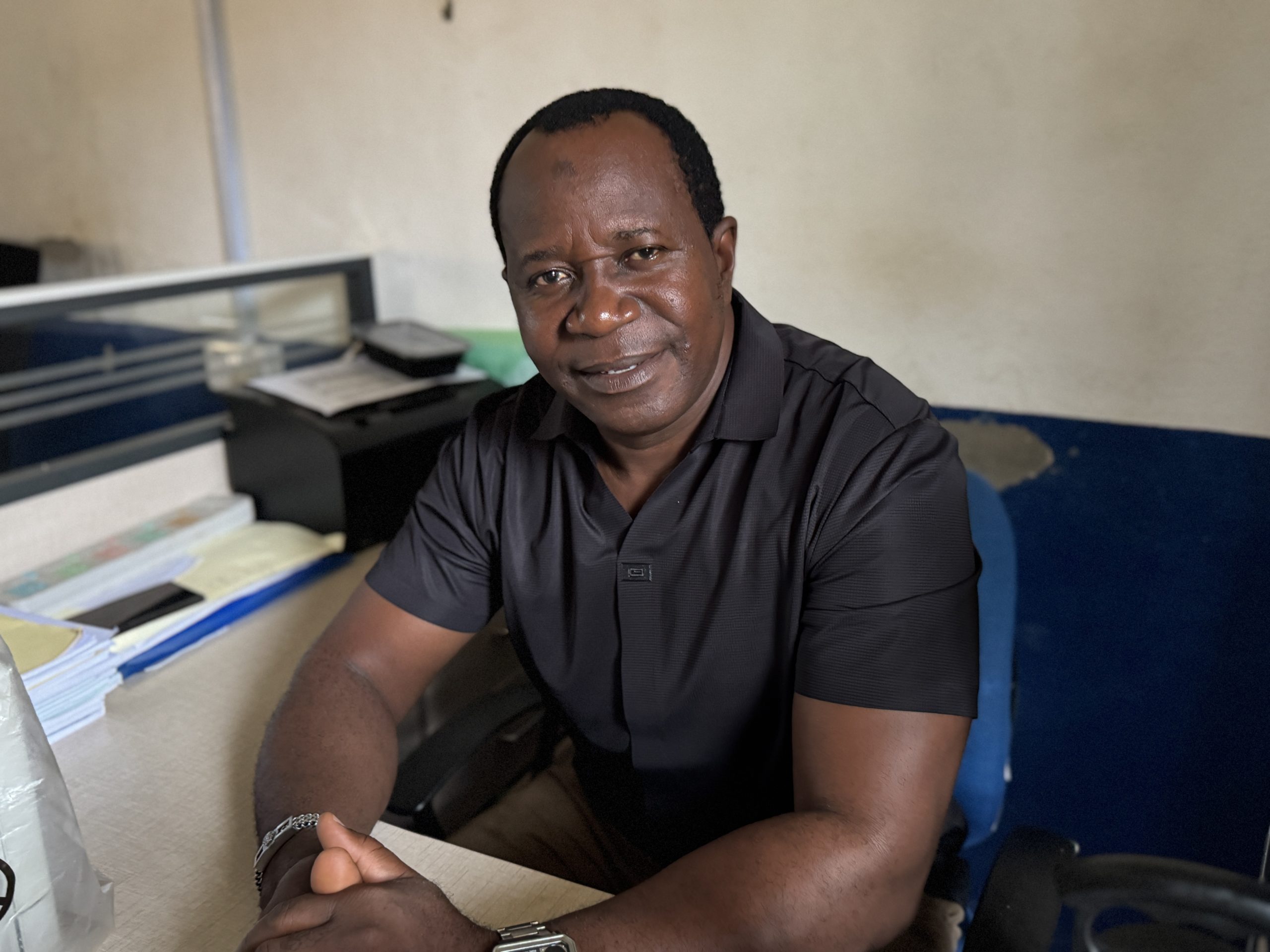
To sustain the impact, Sesay has engaged CHWs to monitor net use directly. Each CHW visits the homes of children and other recipients to follow up and reinforce good practice.
“The most important thing about this is one bed net to a child, even if they are from the same household,” Sesay said.
SHARE:




Related Resources

Bed nets are still winning the fight against malaria in Kailahun
As dusk settles over communities in Kailahun District, Augusta carefully prepares her home for the...
Musu’s community in Kailahun celebrates 80% drop in cases of diarrhoea
Since 2017, 13-year-old Musu’s community in Kailahun District, has struggled with waterborne illnesses like diarrhea...
Fatmata’s fight against COVID-19 begins with clean hands
In rural communities, a simple act like washing your hands can be a luxury, especially...