

Fatmata’s fight against COVID-19 begins with clean hands
June 6, 2025

Fatmata washing hands using facilities provided by ChildFund, through Daindemben Federation
In rural communities, a simple act like washing your hands can be a luxury, especially during a health crisis. When the COVID-19 pandemic hit, 11-year-old Fatmata, from Koinadugu District, quickly realized how exposed her community was.
“We had a handwashing facility in our school before we closed,” she says. “But coming back home, my entire community did not have any.”
With schools shut down as part of government containment measures, children like Fatmata returned to villages with no access to Infection, Prevention and Control (IPC) materials like soap, hand sanitizers, or even basic handwashing stations like Veronica buckets. And yet, the risks were everywhere, from traditional handshakes to communal eating practices using bare hands.
“In my community, shaking hands is how we greet each other. We eat with our hands, too. So, without places to wash, we were all at risk,” Fatmata explains. “It only takes one person to bring the virus.”
In Sierra Leone, where handwashing has long been a challenge even in normal times, the COVID-19 outbreak turned that weakness into a national health threat. That’s why ChildFund stepped in, donating critical IPC materials to help protect children and their families in some of the most vulnerable communities — including Fatmata’s.
“I was so happy when a bucket and soap were installed right in front of my house, for everyone to use,” she says with a smile. “It makes me feel cared for and protected. I enjoy washing my hands now, and seeing my friends do it too.”
Fatmata’s village is one of many in Koinadugu District, where ChildFund, through its local partner Daindemben Federation, distributed handwashing stations and hygiene materials to help stop the spread of COVID-19. At the time, the district had already recorded two confirmed cases.
But equipment alone wasn’t enough.
“Shortly after the materials were installed, Daindemben Federation taught us how to wash our hands properly to protect ourselves from the virus,” Fatmata recalls. “Now I even teach my friends how to do it right.
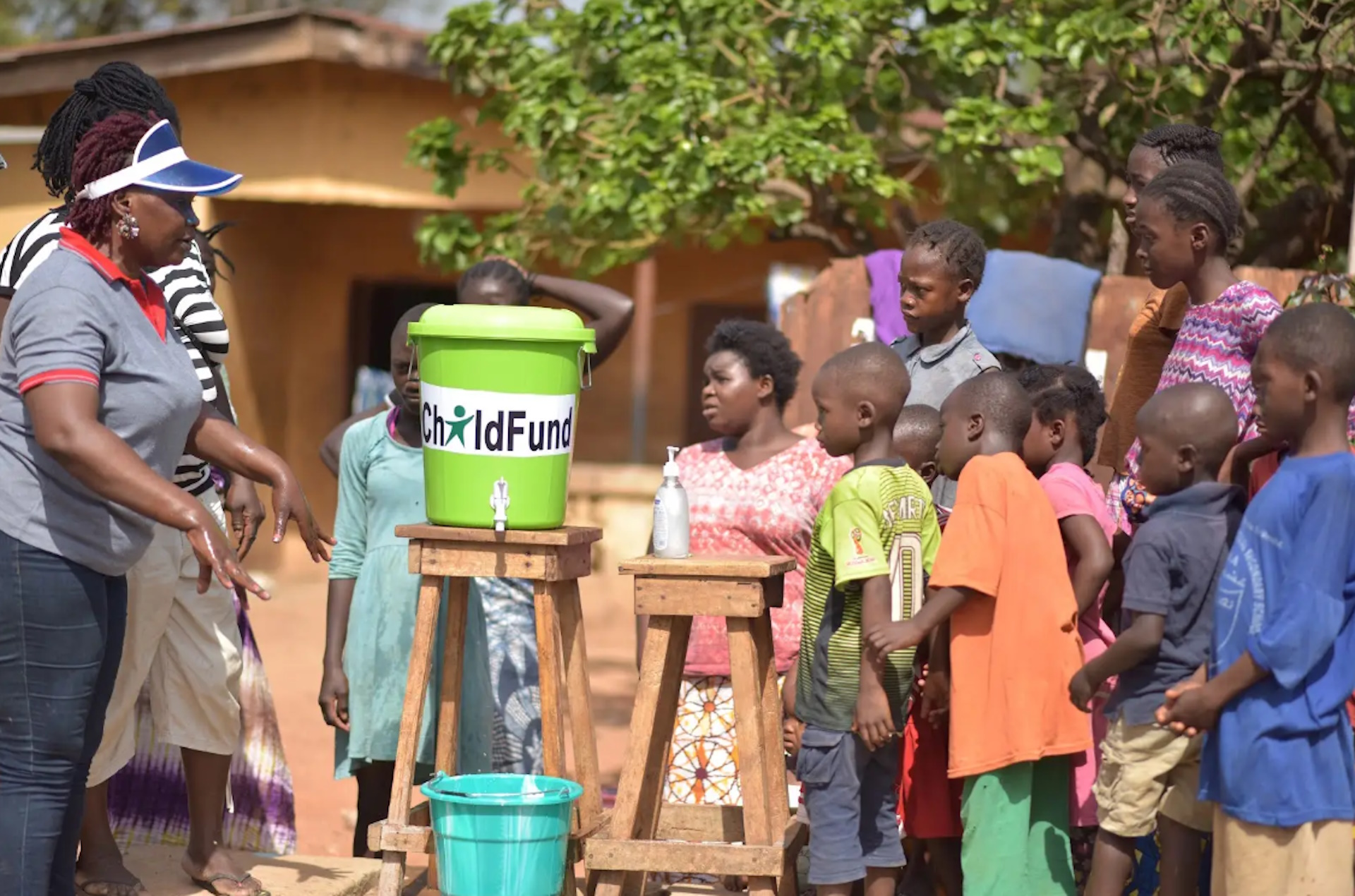 Daindemben Federation staff, Emelia, sensitizing Fatmata’s community on Handwashing
This small but powerful knowledge shift is key. Proper handwashing with soap and running water, for at least 20 seconds, is one of the most effective ways to prevent the spread of not just COVID-19, but other deadly diseases like Ebola.
Health experts agree that everyday habits, like handshaking, can turn deadly during an outbreak. Behavior change, supported by access to clean water and hygiene infrastructure, is critical.
That’s why ChildFund’s response in Sierra Leone goes beyond buckets and soap. The organization also supported government efforts through the mass printing and distribution of Information, Education and Communication (IEC) materials, raising awareness about handwashing, physical distancing, and other life-saving prevention messages.
 A lady (passer-by) washing hands shortly after the items were installed in her community.
Supporting Vulnerable Communities through Health, Cash, and Learning Initiatives
ChildFund’s COVID-19 response in Sierra Leone supported over 500,000 people in vulnerable communities through a wide range of interventions.
At the height of the pandemic, medical and pharmaceutical supplies critical to the national response were in short supply. In collaboration with partners such as MAP International, ChildFund donated five 40-foot containers filled with essential medical and pharmaceutical products to the Ministry of Health and Sanitation. These supplies were distributed for use across the country.
We reached 12,787 families, approximately 70,000 individuals, with unconditional cash transfers worth USD 386,340. These emergency funds enabled parents and caregivers to buy food, access medical care, and keep their children safe at home.
In addition, over 850,000 people were directly engaged in COVID-19 prevention and control efforts, ensuring widespread adherence to public health guidelines and safety protocols.
To ensure children could continue learning during lockdowns, ChildFund distributed 470 solar-powered radios, enabling access to pre-recorded lessons broadcast through government-led radio teaching programs.




Related Resources
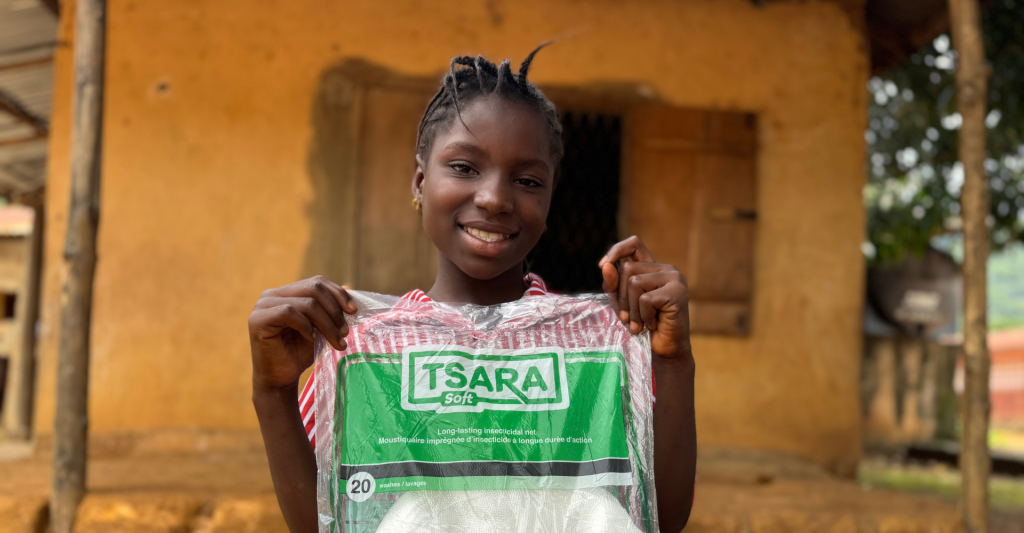
25,217 bed nets distributed to protect families from malaria
For 11-year-old Hawa, staying healthy is an important part of staying focused on her education.

Bed nets are still winning the fight against malaria in Kailahun
As dusk settles over communities in Kailahun District, Augusta carefully prepares her home for the...
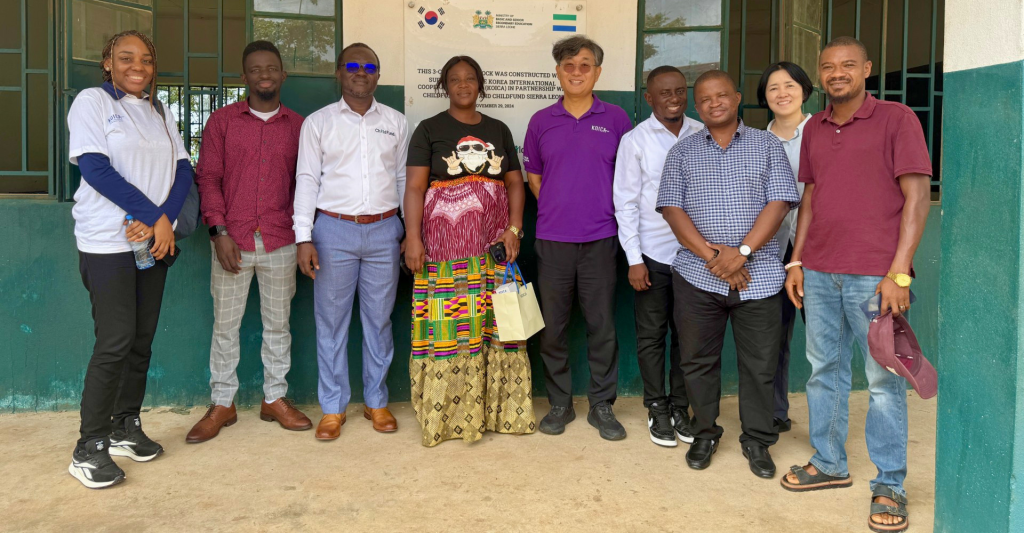
Six months on: ChildFund and KOICA review gains of girls’ education project in Sierra Leone
Six months after the completion of a transformative education initiative, ChildFund and the Korea International...