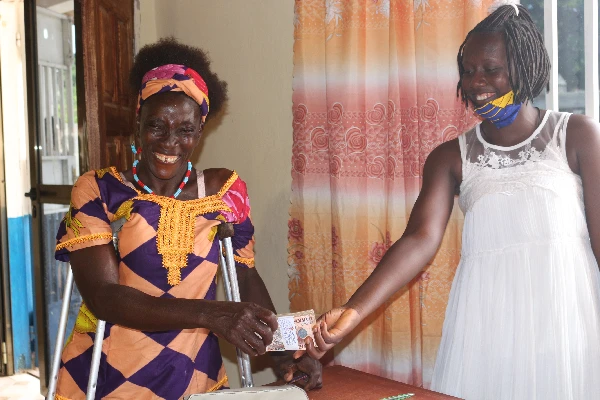
The COVID-19 pandemic disrupted lives across the globe, but for people with special needs, like Anita in Bombali District, the...
Sierra Leone, like many countries in the region, continues to face a range of challenges, including the impacts of climate change, public health emergencies, and socio-economic difficulties. The country has also faced significant health crises, such as the Ebola Virus outbreak and the COVID-19 pandemic, which have exacerbated vulnerabilities, especially for children. These crises disrupted essential services, including education, health care, and child protection, leaving children even more at risk.
For over two decades, ChildFund has focused its emergency response efforts on supporting education, child protection, and the overall wellbeing of children and families. Sierra Leone remains vulnerable to environmental shocks, such as flooding, and health emergencies like Ebola and COVID-19, which can displace families and disrupt schooling.
ChildFund has been at the forefront of delivering lifesaving assistance to children and families in times of crisis. With a focus on child protection, education, and health, ChildFund ensures that the most vulnerable members of society are not forgotten during emergencies.
Facts and figures from 2024 data.
To Children, Families and Communities affected by emergencies in the form of food, clean water and other essentials, like blankets and hygiene kits. Depending on the situation, we may distribute these items directly to affected families or give them funds to purchase what they need most.
To give Children a safe place to play, learn and just be kids – activities that are crucial to their recovery from the trauma of emergencies. These spaces protect the children and allow their parents time to find shelter, food, water and other help they need.
On disaster preparedness so that when emergencies happen, children, families and communities know how to respond and can recover more quickly.
When disaster strikes, ChildFund acts quickly to address the urgent needs of children and families. In the face of floods, disease outbreaks, or conflict, we deliver essential supplies such as food, clean water, hygiene kits, and temporary shelter to stabilize families and prevent further harm to children.
We also prioritize child protection, setting up safe spaces for children to play, learn, and receive psychosocial support. These immediate interventions safeguard children from exploitation, abuse, and the trauma that can result from a crisis.
For instance, when floods struck Sona Town, Kailahun District:, ChildFund responded swiftly delivering food and water aid to more than 150 affected families victims.Learn More
Once a crisis subsides, we work with families, communities, and local authorities to rebuild lives. This includes rehabilitating schools so children can return to education and supporting families in restoring their livelihoods.
By partnering with community leaders, local organizations, and government agencies, we ensure recovery efforts are both effective and sustainable. This collaborative approach strengthens resilience, equipping communities with the tools to better handle future emergencies.
Child protection stands at the center of ChildFund’s emergency response. In times of crisis, children face heightened risks of abuse, neglect, exploitation, and trafficking. ChildFund takes a systems approach to child protection, working alongside families, communities, and government institutions to build safe, supportive environments for children.
Through local child protection committees, communities identify at-risk children and deliver immediate, life-saving interventions. ChildFund strengthens these efforts by equipping caregivers and community members with knowledge of children's rights and the critical importance of protection during emergencies.
Children’s education and health are among the most disrupted areas during emergencies. Schools are often damaged, closed, or repurposed as shelters, while healthcare systems become overwhelmed. As part of our emergency response, we work to restore access to education through temporary learning spaces and by distributing learning materials to children.
In health, ChildFund leads in disease prevention and response. For instance, during the Ebola outbreak, ChildFund established quarantine centers, supplied protective gear, and educated communities on preventive measures. In the COVID-19 pandemic, ChildFund promoted hygiene practices, distributed sanitation supplies, and raised awareness to help curb the virus’s spread.
Effective emergency response demands strong collaboration. Working alongside government, NGOs, and international bodies, ChildFund aligns interventions with national and global humanitarian strategies.
At the community level, ChildFund engages local leaders and organizations to deliver culturally appropriate, needs-driven responses. This partnership model strengthens immediate action and supports long-term recovery. Every emergency response prioritizes children’s protection and well-being. Beyond meeting urgent needs, ChildFund invests in community resilience, helping families rebuild stronger and safeguarding children’s futures.
ChildFund, in partnership with local partners, government agencies, and other development organizations, works to raise community awareness on the risks of disasters. We support communities in creating functional disaster preparedness mechanisms, equipping them with the knowledge and skills needed to effectively prepare for and respond to emergencies. By promoting awareness, we help local populations understand the potential risks and impacts of disasters such as floods, disease outbreaks, and other crises.
As part of this effort, ChildFund assists communities in establishing disaster preparedness systems. This includes providing training and resources to help local leaders, organizations, and families develop practical strategies to minimize the effects of emergencies. Additionally, we educate communities on the importance of timely action and safe evacuation procedures
Helping Communities
Child protection stands at the center of ChildFund’s emergency response. In times of crisis, children face heightened risks of abuse, neglect, exploitation, and trafficking.

The COVID-19 pandemic disrupted lives across the globe, but for people with special needs, like Anita in Bombali District, the...

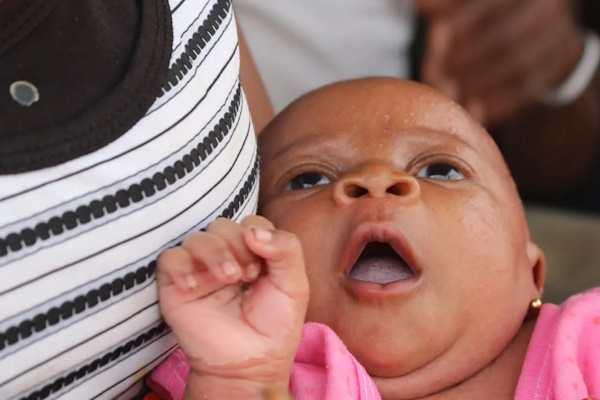
While the effects of COVID-19 were still being felt, baby Christiana was born in Bombali district.
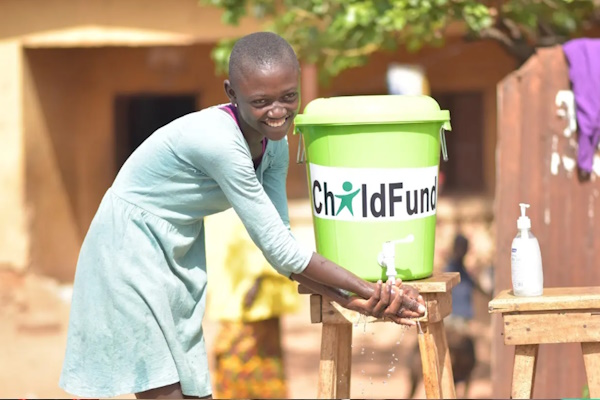
In rural communities, a simple act like washing your hands can be a luxury, especially during a health crisis.