

Bed nets are still winning the fight against malaria in Kailahun
August 14, 2026
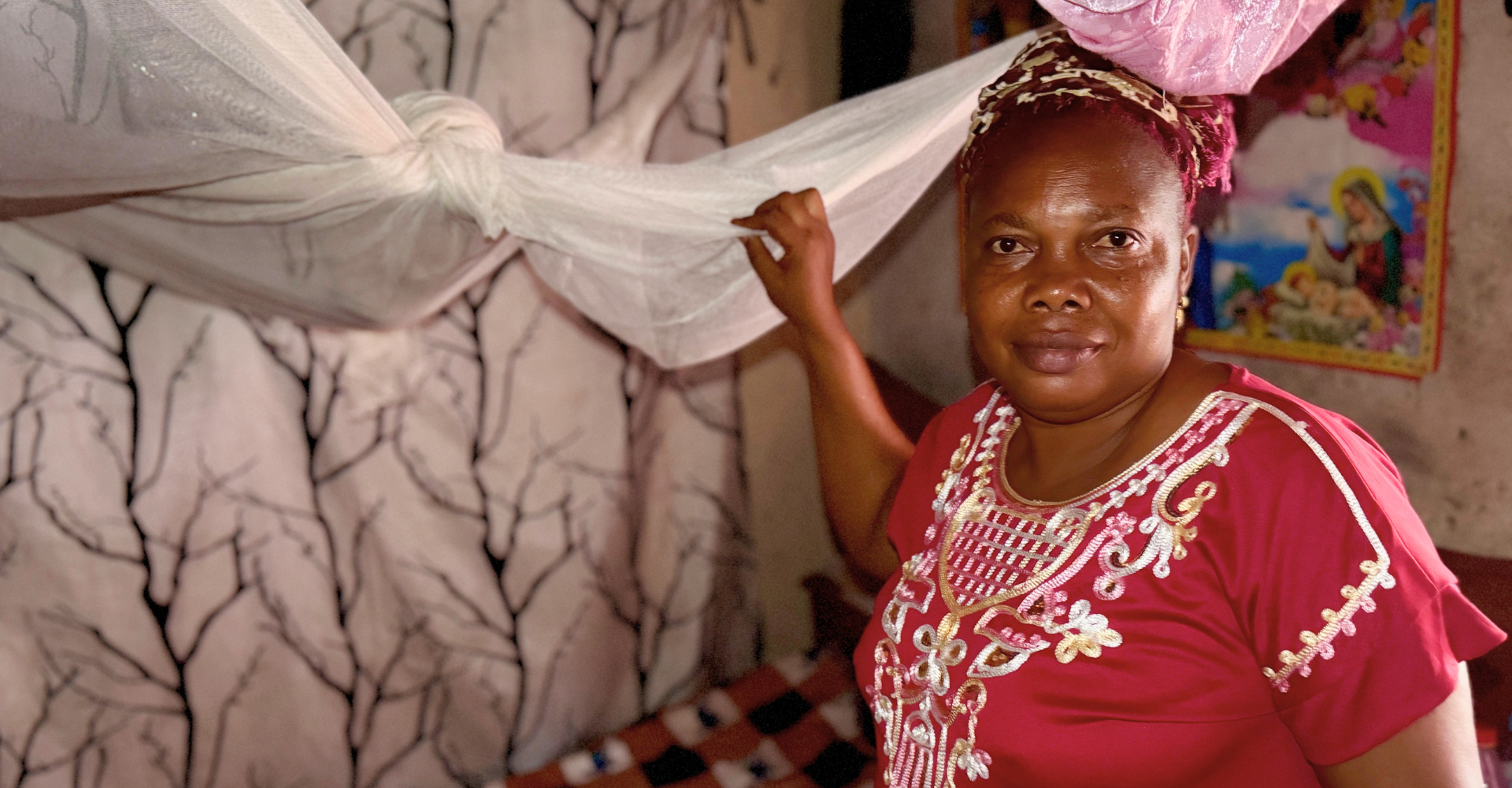
Augusta in her room with the net hung above her bed.
As dusk settles over communities in Kailahun District, Augusta carefully prepares her home for the night. Before her children drift off to sleep, she ensures the insecticide-treated bed nets are properly tucked around their beds. This is a simple routine that has become one of her family’s strongest defenses against malaria.
Today, every room where the family sleeps is equipped with a bed net, giving Augusta greater peace of mind and helping protect her children from mosquito bites that can lead to malaria.
Matthew, a Community Health Officer (CHO), says the distribution of insecticide-treated bed nets about seven months ago continues to save lives. According to health facility records, malaria-related deaths have declined significantly since the intervention.
“The bed net distribution has helped immensely,” Matthew said. “From our monthly monitoring reports, we have seen a drastic reduction in malaria cases.”
Recognizing that prevention requires more than providing supplies, Matthew has also taken malaria awareness beyond the health facility. Through local radio discussions under the project, he educates families on how to correctly use bed nets and why consistent use is essential.
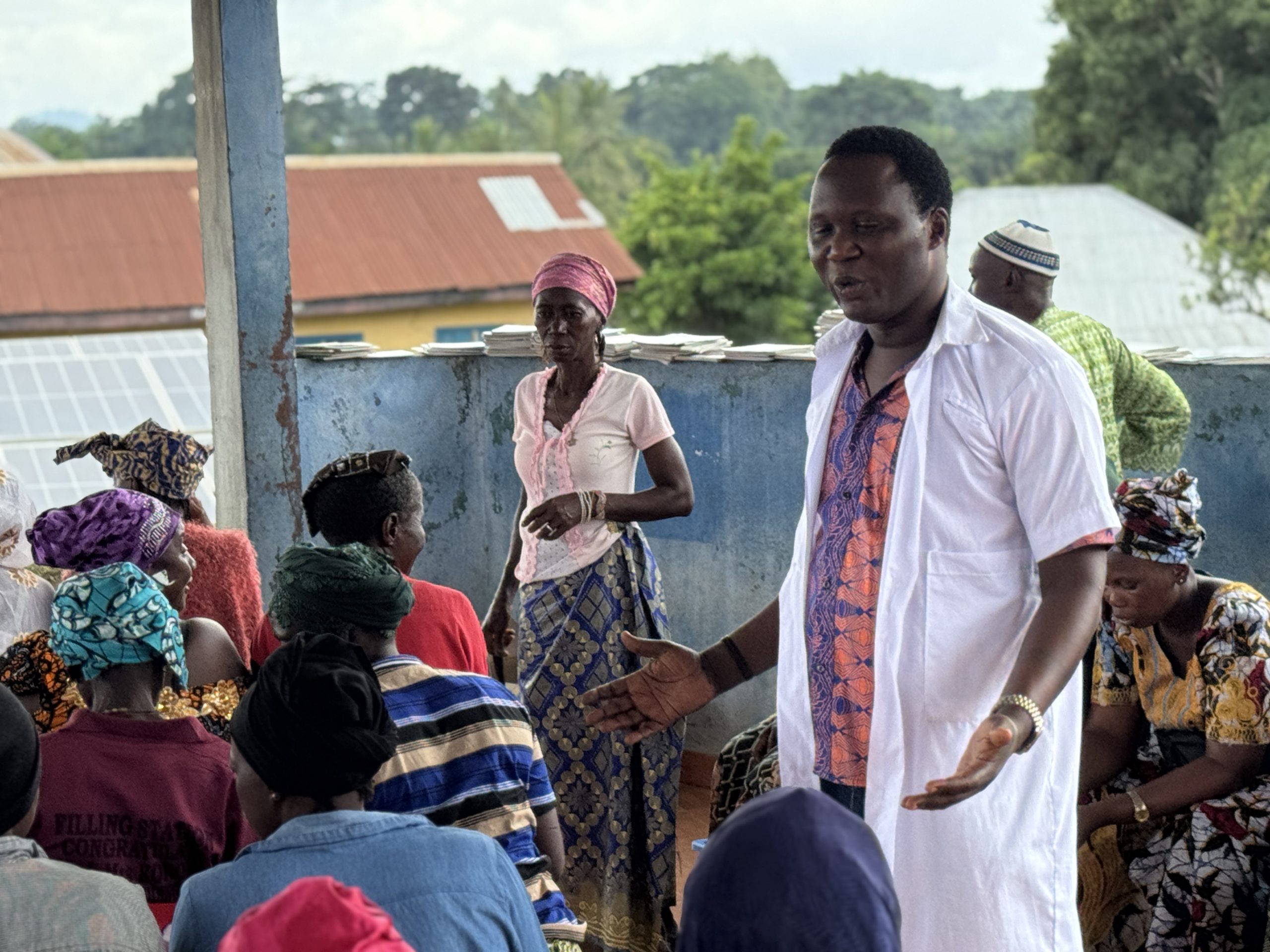
“We explain the importance of sleeping under the bed net every night and how proper use helps protect families from malaria,” he said.
“The bed net distribution has helped immensely,” Matthew said. “From our monthly monitoring reports, we have seen a drastic reduction in malaria cases. The project has distributed 25,217 bed nets across Falaba, Koinadugu, Karene, Bombali and Kailahun Districts.”
Despite the progress, challenges remain. Matthew is calling for expanded support to reach communities that have not yet benefited from large-scale bed net distribution.
“In one of the biggest towns where you (ChildFund) are not operating, malaria infections have increased by about 85 percent,” he explained. “The growing number of cases places tremendous pressure on health facilities, especially when malaria medicines run out.”
He believes that expanding bed net distribution, alongside sustained community education on environmental sanitation, is critical to reducing new infections. Keeping communities clean, clearing blocked gutters and preventing stagnant water from collecting can significantly reduce mosquito breeding sites.
The need for prevention has become even more urgent as Rapid Diagnostic Tests (RDTs) remain in short supply nationwide.
George, another Community Health Officer serving a ChildFund-supported community in Kailahun, says preventive interventions are now more important than ever.
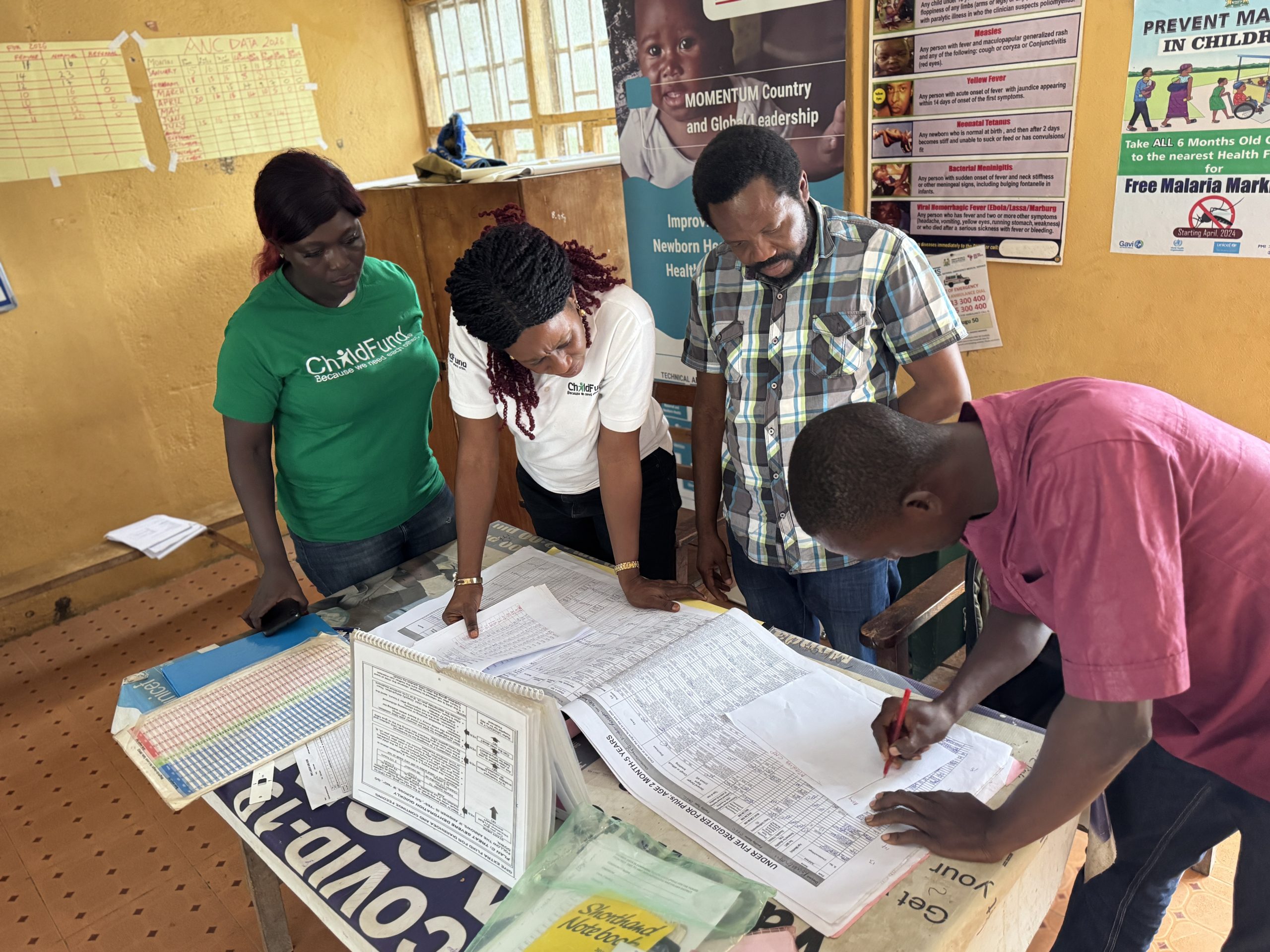
“There is still a need for more bed nets to be distributed across other communities,” George said.
He explained that ChildFund has supported health facilities in providing insecticide-treated bed nets to pregnant women at their first antenatal care visit and to lactating mothers of three-month-old babies.
“We distributed bed nets in January this year (2026), and it is expected to last for a year,” he said.
The project has distributed 25,217 bed nets across Falaba, Koinadugu, Karene, Bombali and Kailahun Districts.
This project is an investment in their children’s future. Every night spent sleeping under a treated bed net reduces the risk of illness, helps children attend school more regularly, and eases the financial burden that malaria places on households, especially in rural communities.
“We did the bed net distribution in January this year (2026), and it is expected to last for a year,” he said.
SHARE:




Related Resources
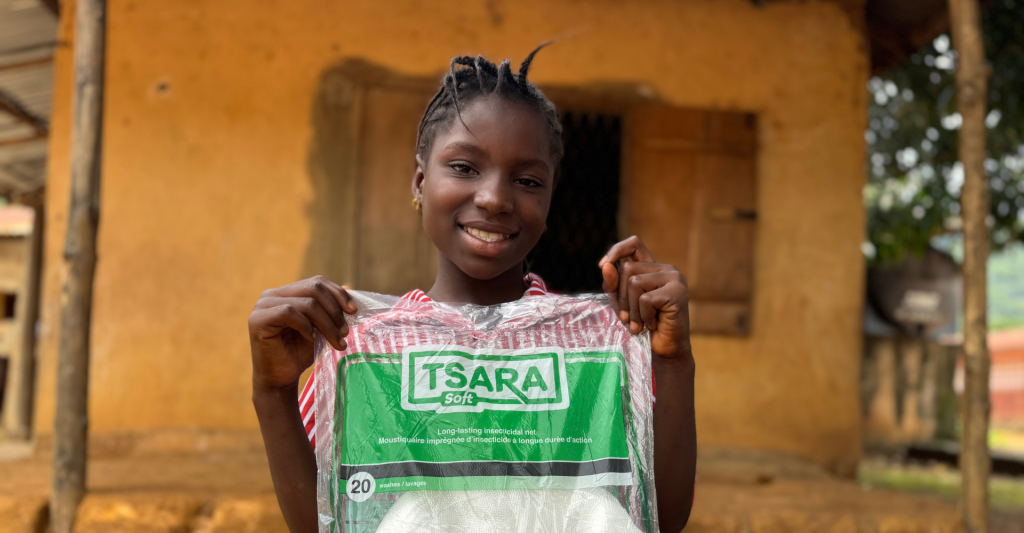
25,217 bed nets distributed to protect families from malaria
For 11-year-old Hawa, staying healthy is an important part of staying focused on her education.
Musu’s community in Kailahun celebrates 80% drop in cases of diarrhoea
Since 2017, 13-year-old Musu’s community in Kailahun District, has struggled with waterborne illnesses like diarrhea...
Fatmata’s fight against COVID-19 begins with clean hands
In rural communities, a simple act like washing your hands can be a luxury, especially...