

Play based learning helps children see teachers as friends, not figures to fear
October 12, 2026
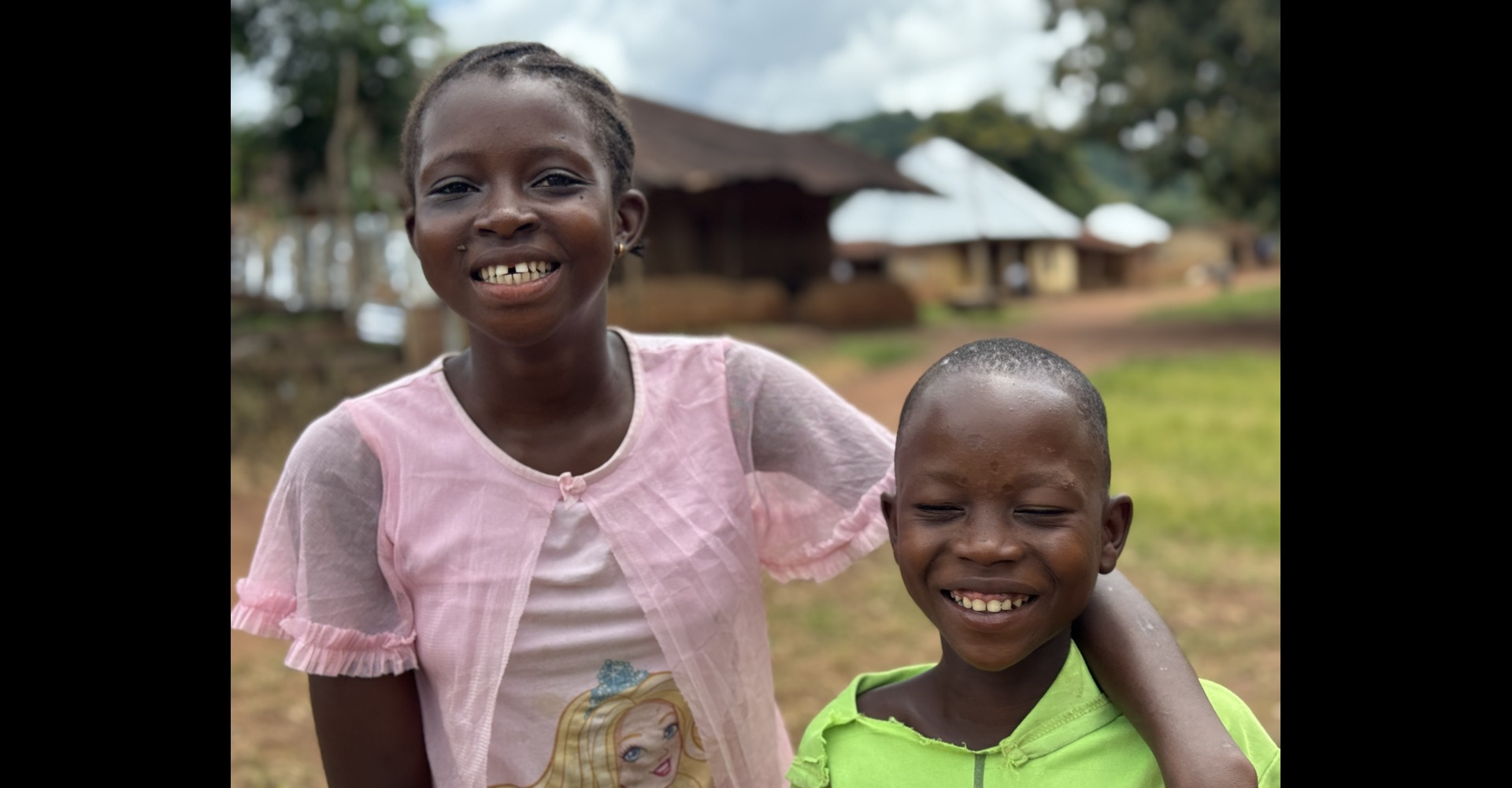
Mabinty and Korleh in their community.
For 12-year-old Mabinty, starting Class 5 at a new school in a larger town was supposed to be an exciting new chapter. Instead, she found herself missing her old school.
At her previous school, learning was different. Teachers used child-friendly approaches such as play-based learning, drawing and singing to help pupils understand difficult lessons. Mabinty was also used to seeing her teachers and classmates as friends.
But when she moved to her new school, she quickly noticed the difference. She wished she could return to her old school, although the academic year had already begun.
“During the programme in school, we used methods like drawing and singing, which always made me understand quicker,” Mabinty said. “It made me love coming to school, and I saw my teachers as friends. Before, I used to be scared of them.”
Mabinty’s experience is part of a wider change being introduced through ChildFund’s Education for Protection and Wellbeing (EPW) Programme.
“One thing that made me not like school was that teachers used to flog us and were impatient whenever we did something wrong,” Korleh said. “But this has changed a lot since the programme was introduced in our school.”
The programme has trained teachers and caregivers on Social and Emotional Learning (SEL), helping them create learning environments where children feel safe, respected and supported. The approach also supports the Government of Sierra Leone’s efforts to discourage corporal punishment in schools.
“The programme incorporates the ‘Milles de Manos’, or ‘thousands of hands’, introducing teachers to play-based learning through drawings and comic books developed by ChildFund,” said Yembeh Mansaray, ChildFund Sierra Leone’s EPW Coordinator. “Caregivers are also encouraged to practise positive parenting through dialogue with children and to understand how they feel.”
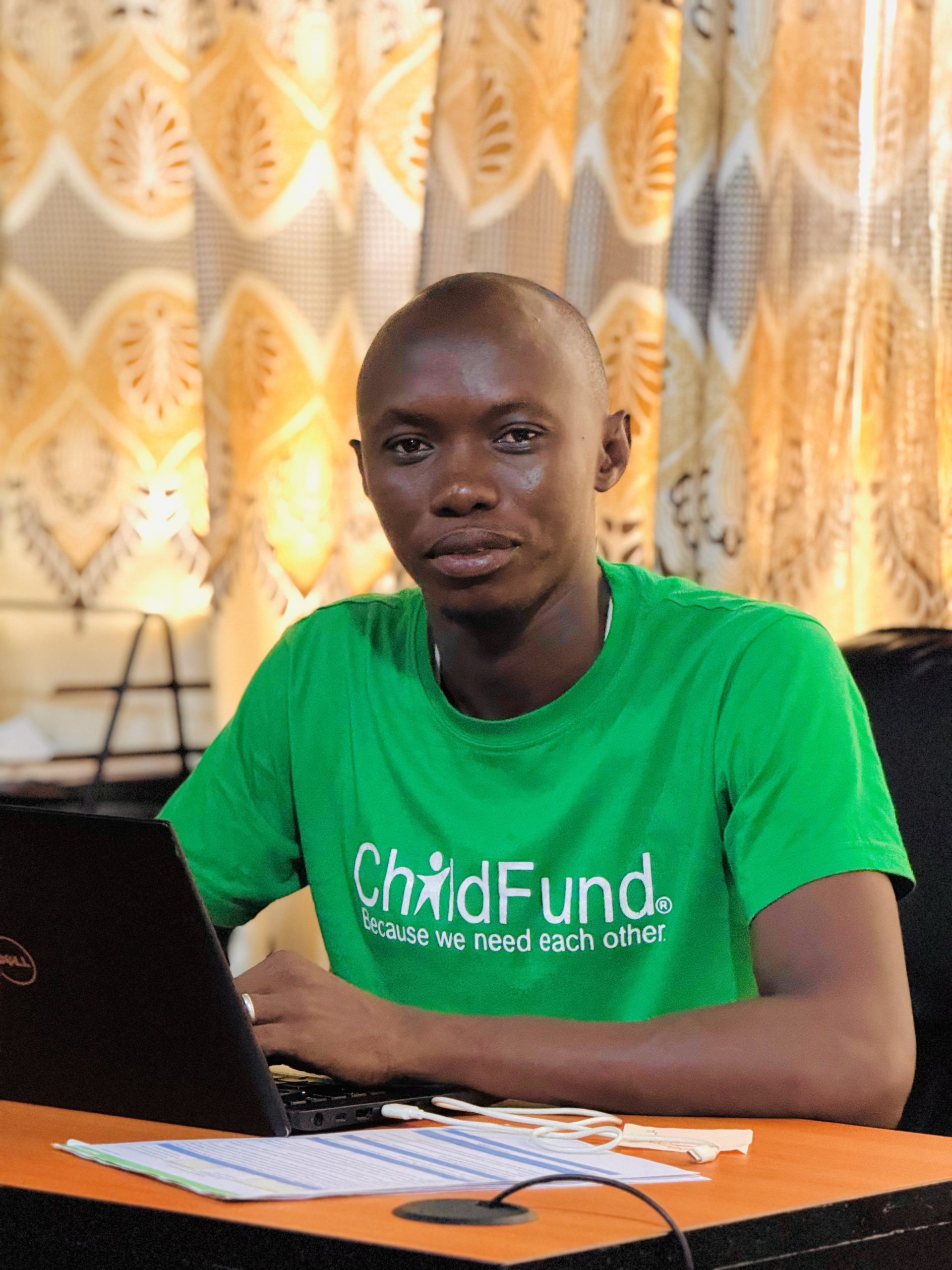
For Mabinty, returning to her old school and community brought back the joy she had missed.
She is not alone.
Her 11-year-old classmate and community friend, Korleh, says he also enjoys school more since the programme was introduced.
“One thing that made me not like school was that teachers used to flog us and were impatient whenever we did something wrong,” Korleh said. “But this has changed a lot since the programme was introduced in our school.”
“The programme incorporates the ‘Milles de Manos’, or ‘thousands of hands’, introducing teachers to play-based learning through drawings and comic books developed by ChildFund,” said Yembeh Mansaray, ChildFund Sierra Leone’s EPW Coordinator.
The change is also visible in the classroom.
Teachers are increasingly using positive and responsible approaches to guide children, replacing practices that once created fear with methods that encourage participation and understanding. At the school, the cane, once commonly used for corporal punishment, is no longer used.
“While some schools may use the cane as a pointer, we have altogether discontinued its use because we learnt from the EPW Programme that it instils fear in pupils,” said John Kamara, a teacher at the school.
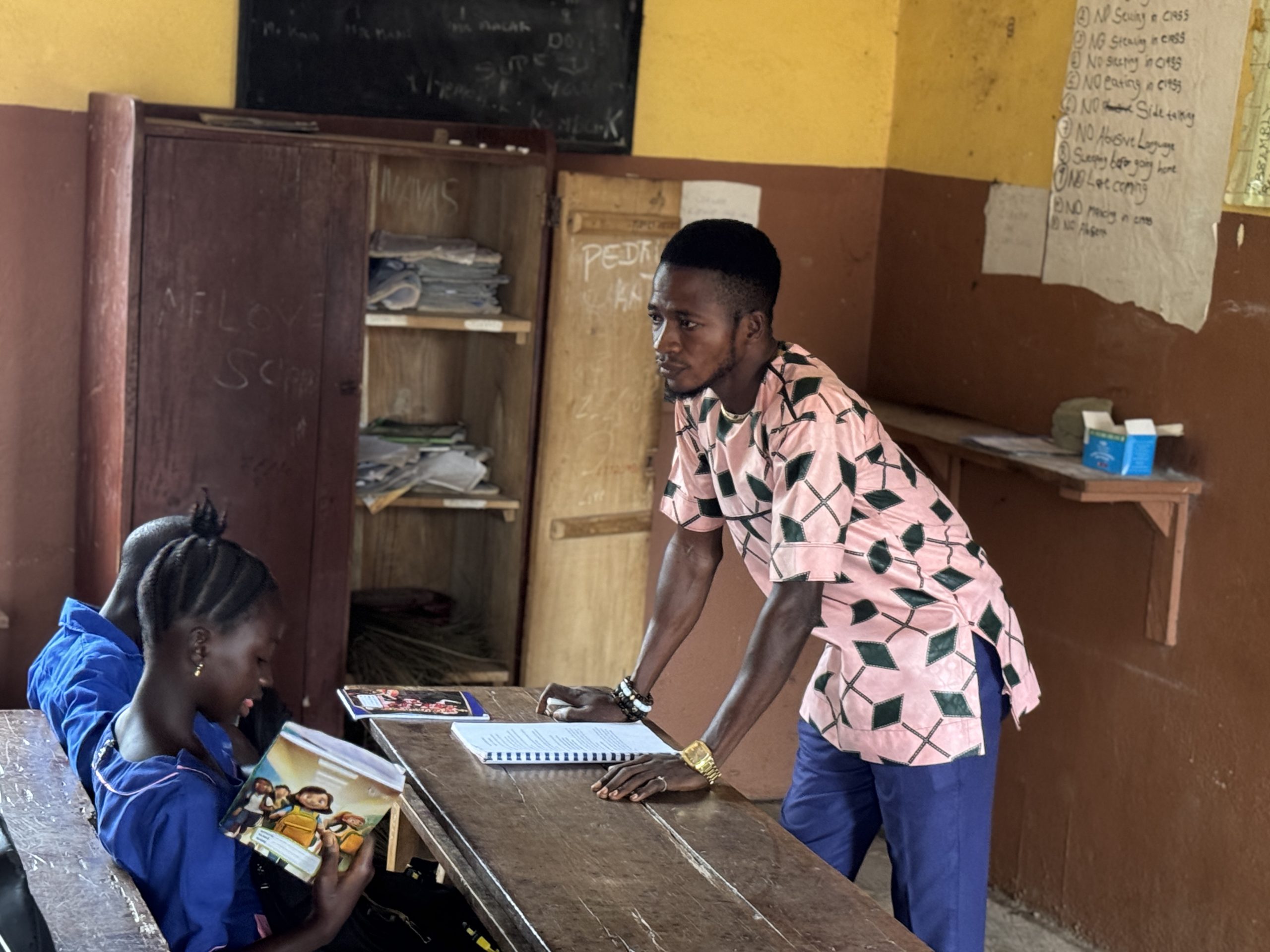
For children like Mabinty and Korleh, these changes mean more than a different way of teaching. They mean a school where they can participate, express themselves and feel safe.
ChildFund is currently piloting the EPW Programme in 12 schools across four districts. We are working with the Government of Sierra Leone to integrate the Social and Emotional Learning (SEL) framework into the country’s education curriculum, helping more children experience schools as places where they can learn, grow and feel happy.
“While some schools may use the cane as a pointer, we have altogether discontinued its use because we learnt from the EPW Programme that it instils fear in pupils,” said John Kamara, a teacher at the school.
SHARE:




Related Resources
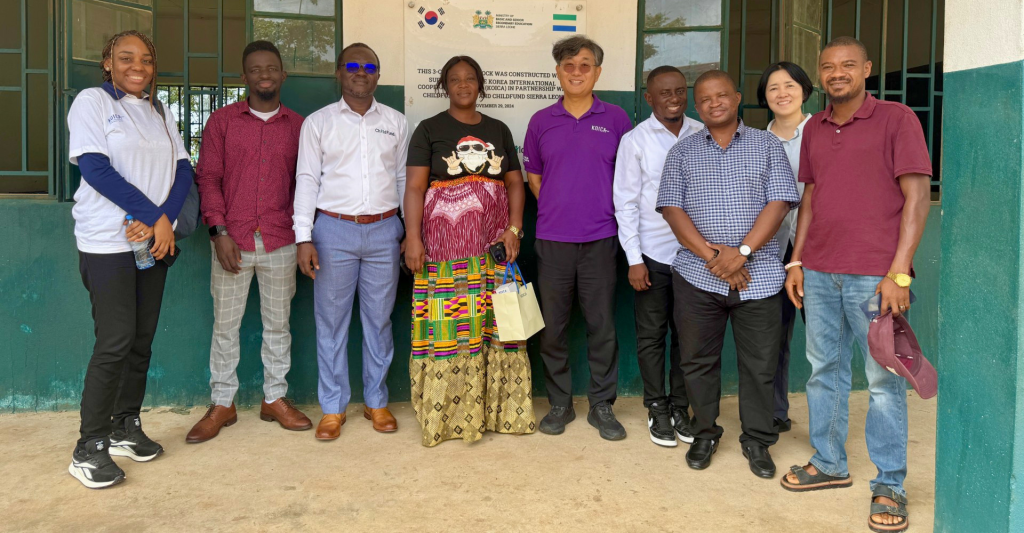
Six months on: ChildFund and KOICA review gains of girls’ education project in Sierra Leone
Six months after the completion of a transformative education initiative, ChildFund and the Korea International...

Meet the farmers uniting against child labor in Koinadugu
Rugiatu, Saran, Kumba, and Adama are cassava farmers and mothers living in Koinadugu District. Like...

How sponsorship transformed the life of Sirah and her family
Eighteen-year-old Sirah grew up in Bombali District in northern Sierra Leone, where life revolved around...