

How child rights clubs are transforming school safety in Sierra Leone’s Western Area
May 14, 2026
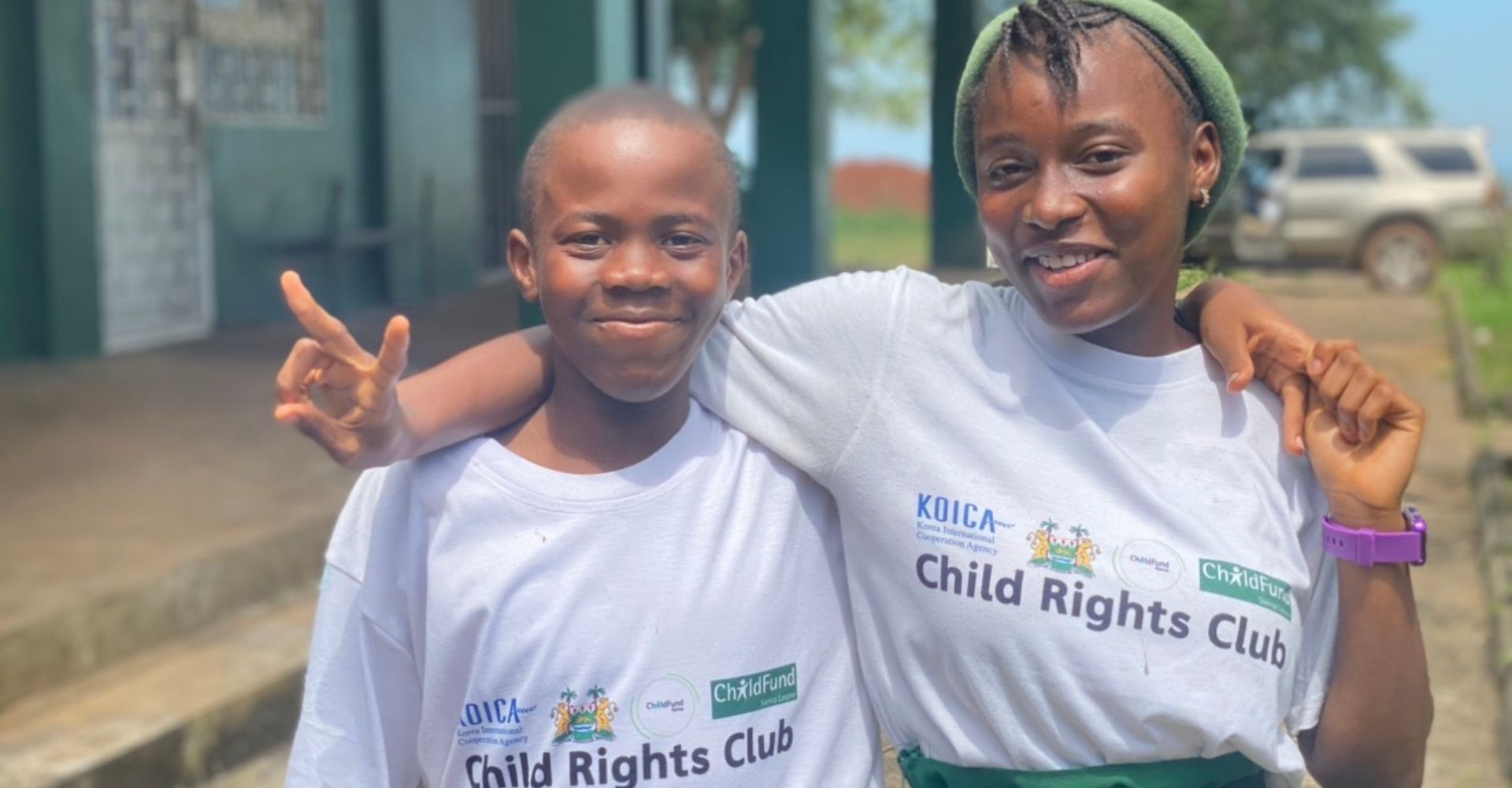
Jeffnatu with fellow Child Rights Club Member (CRC), Harry.
In six secondary schools across Sierra Leone’s Western Area, a quiet but powerful transformation is taking place. Child Rights Clubs (CRCs), established to empower students, are now at the forefront of preventing violence and promoting a culture of safety and respect within school communities.
From Fourah Bay College Secondary School in Kortright to Sengbe Pieh Memorial, Forum for African Women Educationalists (FAWE) School, Sierra Leone Muslim Congress, Services Secondary, and Government Rokel Secondary School, students are stepping into leadership roles, championing their rights while holding their peers accountable.
For 14-year-old Jeffnatu, a CRC member, the impact has been deeply personal.
Today, Jeffnatu speaks with confidence about child rights, responsibilities, sanitation, and the importance of creating a safe learning environment not just in school, but at home as well.
“Before the formation of this club, many of my schoolmates did not know they had a responsibility to keep themselves and others safe,” Jeffnatu explains.
The CRCs were introduced in 2023 by ChildFund, in partnership with the Korea International Cooperation Agency (KOICA), under the Increasing Access to Secondary Education for Out-of-school Girls in the Western Area project. While the project officially concluded in December 2025, its impact continues to ripple through the schools—driven by students’ commitment.
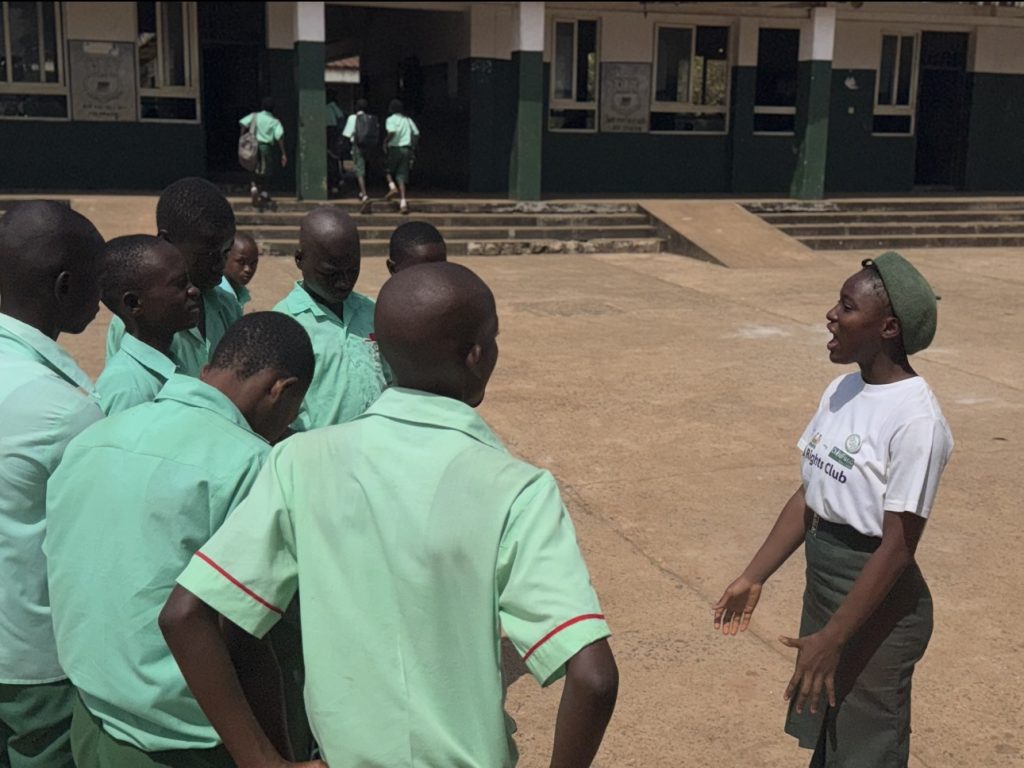
This is particularly major in a context where school-related violence remains widespread. According to Safe to Learn, at least nine out of ten pupils in Sierra Leone have experienced some form of violence in school. Against this backdrop, CRCs are not just clubs. They are safe spaces where students learn to speak up, support one another, and challenge harmful behaviors.
Educators are already seeing the difference
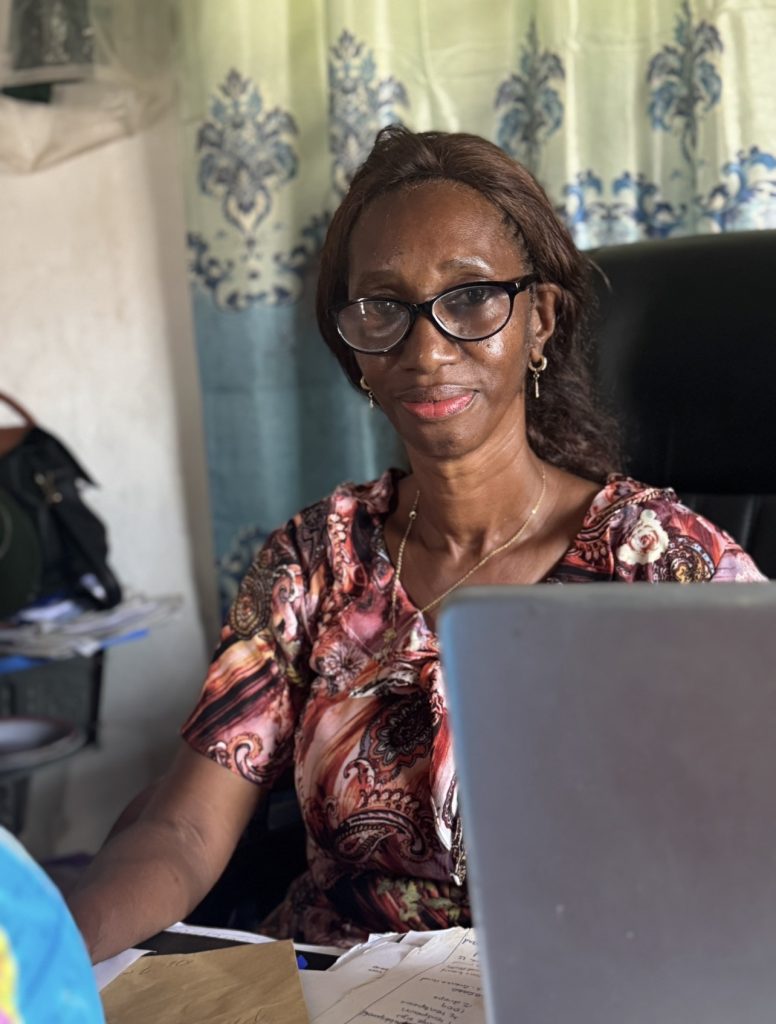
“Before these clubs were formed in my school, the responsibility of guiding students away from violence rested solely on teachers,” says Madam Isata Kormoh, Principal of Fourah Bay College Secondary School. “Now, students are taking ownership of their behavior and conducting themselves more responsibly.”
School leadership from Services Secondary School shares a similar optimism. Georgiana Bangura, Principal at the school, describes the sustained commitment of students as remarkable.
She added that the CRC members recently cleaned the toilet facilities constructed under the project.
Four months post-project, community stakeholders and school authorities are actively implementing the recommendations shared by Victor Kamara, ChildFund Country Director, during the project’s final review meeting. Kamara stressed the critical need to maintain and build upon the progress achieved. This highlights their commitment to sustainability, which remains a central focus of their efforts.
“This is an indication of the project’s impact on students and implementing schools. It shows what meaningful collaboration can achieve in supporting students, especially girls in underserved communities in the Western Area,” he said.
Beyond strengthening student voice and accountability, the KOICA-funded initiative also delivered tangible improvements. By the end of 2025, the project had successfully re-enrolled 360 girls into school and enhanced learning environments through the construction of six three-classroom blocks and six Water, Sanitation, and Hygiene (WASH) facilities across the participating schools.
“It’s fascinating that even after the project ended, members of the CRC continue to uphold their responsibilities in preventing violence and promoting hygiene in school,” Services Senior Secondary School Principal, Georgiana Bangura shares.




Related Resources
Play based learning helps children see teachers as friends, not figures to fear
For 12-year-old Mabinty, starting Class 5 at a new school in a larger town was...
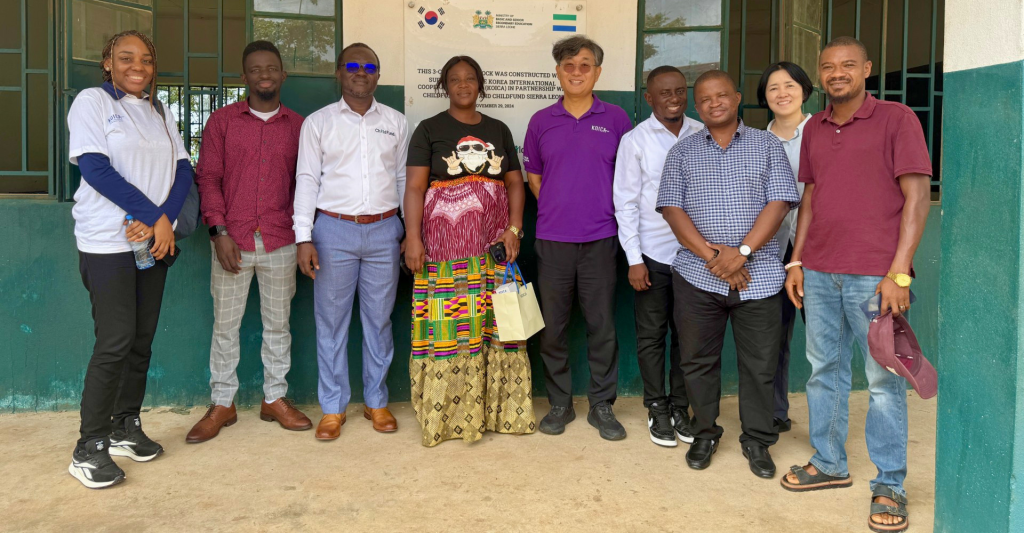
Six months on: ChildFund and KOICA review gains of girls’ education project in Sierra Leone
Six months after the completion of a transformative education initiative, ChildFund and the Korea International...

How sponsorship transformed the life of Sirah and her family
Eighteen-year-old Sirah grew up in Bombali District in northern Sierra Leone, where life revolved around...