

Donated medicines help reduce maternal and child mortality in rural communities
June 5, 2025
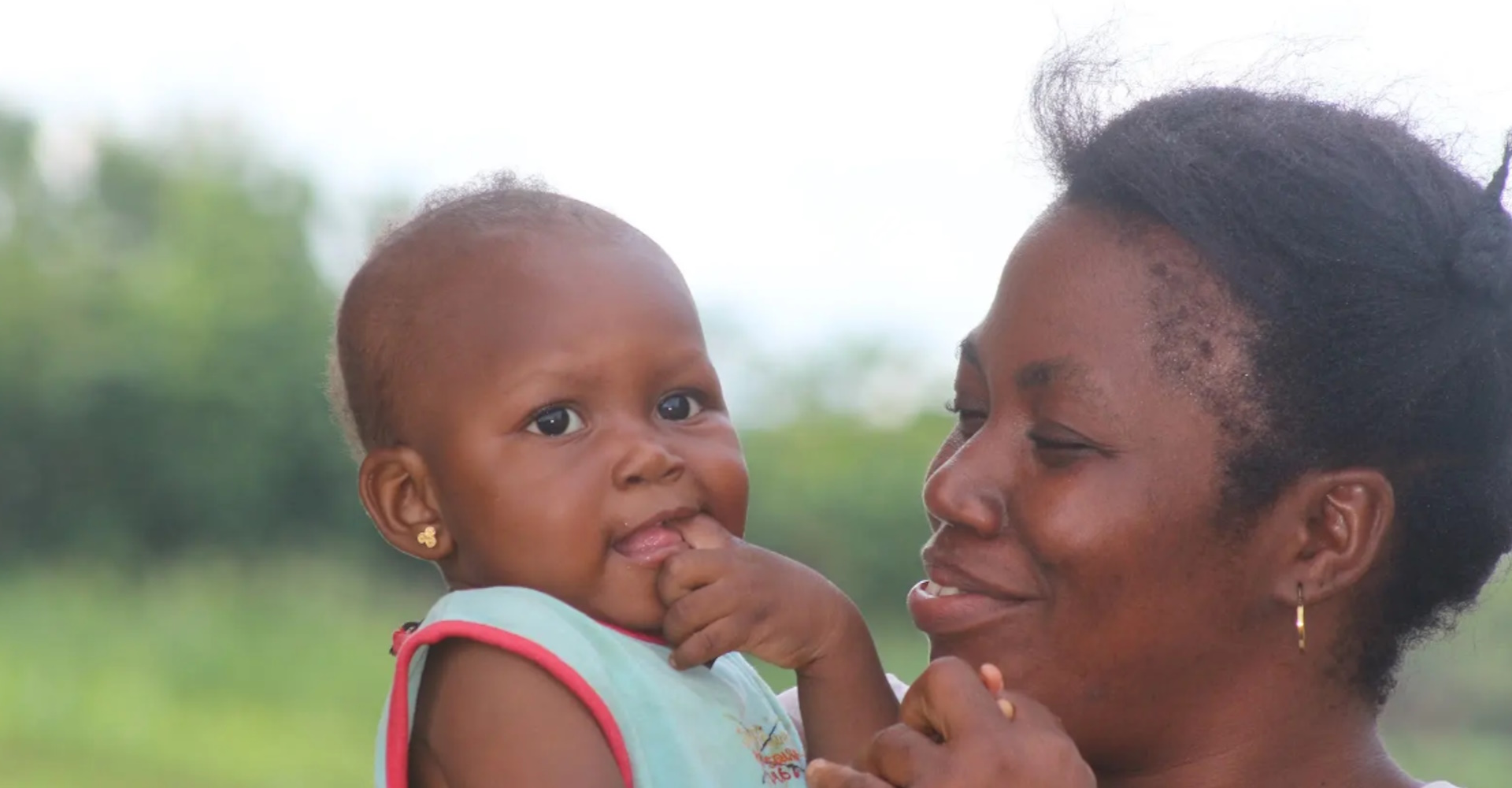
Isatu and her youngest child, Salamatu.
Isatu, a mother of two, lives in a remote community in Bo District with her husband and their two children. Their family of four leads a simple life, like many others in the area, relying on subsistence farming and small trading to make ends meet.
Nine years ago, Isatu faced the most terrifying moment of her life, the birth of her first daughter, Alice. Without access to maternal health care, she was left vulnerable during one of the most critical times in a woman’s life.
“When I was pregnant, there was no health practitioner to talk to me,” she recalls. “I did not have access to checkups or medicines to help me and my baby stay safe. I was just living life casually until it was time for delivery.”
But when labor began, complications quickly followed. Alice was in a breech position, and Isatu needed an emergency C-section. “I bled massively,” she says. Against the odds, both mother and baby survived.
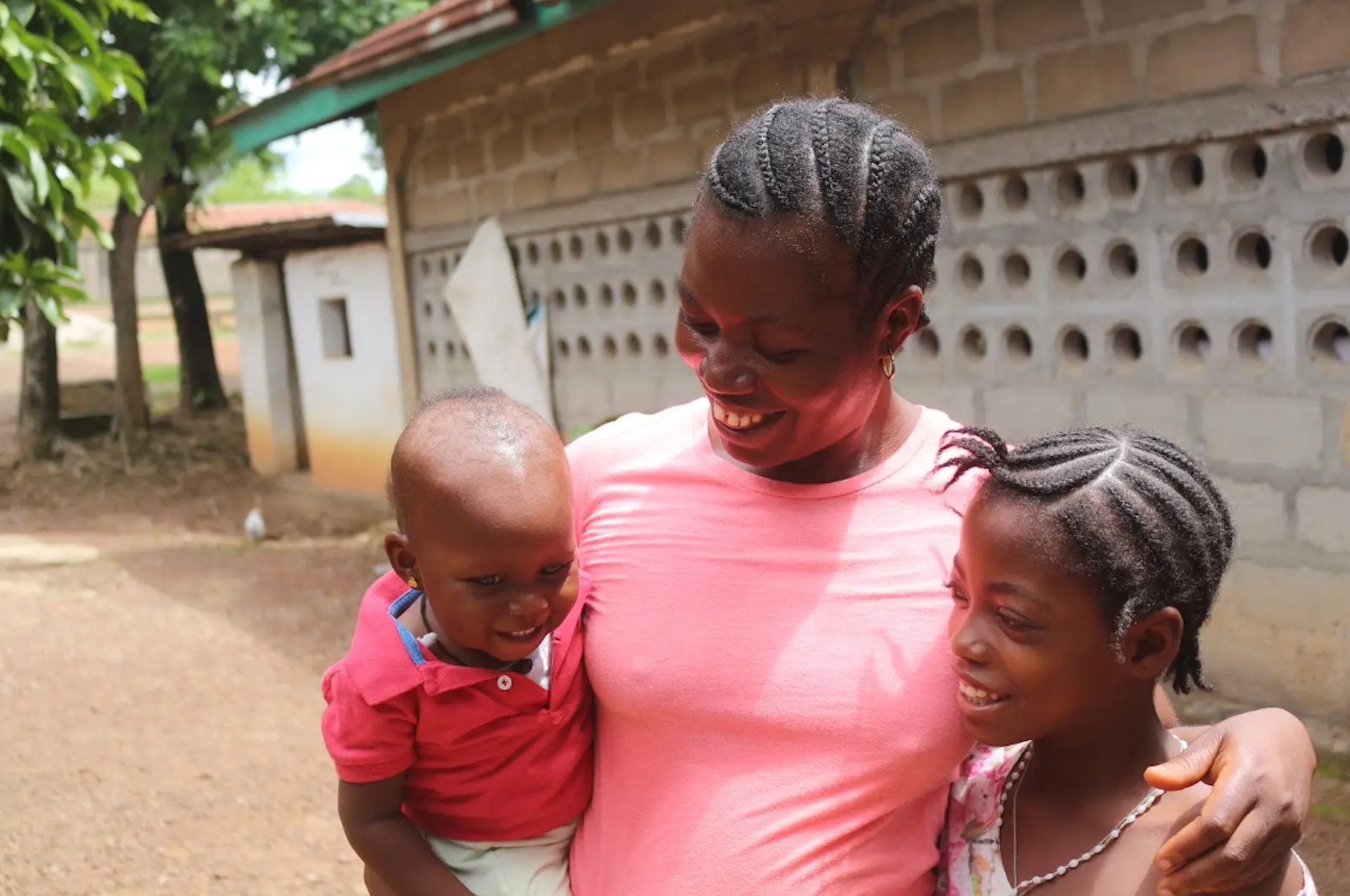 Isatu and her two babies, Alice and Salamatu.
Isatu’s story is a reminder of the urgent need for accessible, quality maternal care and life-saving medicines in Sierra Leone. Too many women still face preventable risks during childbirth simply because they lack the medical support they deserve.
Mariama’s Death
One in 20 women in Sierra Leone dies as a result of pregnancy or childbirth. In fact, Isatu herself lost a friend this way. “I lost my friend Mariama,” she says. “Like me, Mariama was not getting the treatment and medication she needed during her pregnancy. She encountered serious complications and died. That was the height of my fear. She did not deserve to die at the early age of 23.” By the time Isatu found out she was pregnant with her second child several years later, however, “everything was different.” She was introduced to a nearby health clinic that had been built in her community.
Agnes, the head nurse at the clinic, explains that most of the medicines they rely on are donations from ChildFund through the Gifts-in-Kind (GIK) program. “We receive medical drugs such as prenatal supplements, paracetamol, amoxicillin, anti-malarial drugs, albendazole, gloves, bandages and many other items,” she says. “The prenatal drugs supplied are helping us a lot. It gives me great joy to see a pregnant woman deliver safely.”
Supporting Government to Strengthen Health Systems in Remote Communities
Over the past 5 years, ChildFund has donated medical supplies and equipment worth over USD 30 million to the Government of Sierra Leone. This support has helped improve the country’s struggling healthcare system, especially in poor and hard-to-reach areas. The donations include important medicines for illnesses like diabetes, and supplies for mothers and children.
ChildFund works closely with the Ministry of Health and Sanitation to make sure these items are sent to hospitals and clinics across the country. This support is helping to fill big gaps in medical care and is playing a key role in saving the lives of mothers and children.
 Dr. Mustapha Kabba, Chief Medical Officer, Ministry of Health (left), receiving medical and pharmaceutical supplies from Victor Kamara, Country Director, ChildFund Sierra Leone (right).
When Isatu unexpectedly got sick with malaria during her second pregnancy, these donated medicines from ChildFund made it possible for her to get the treatment she needed. Thankfully, the arrival of her second daughter, Salamatu, was smooth and without complications, a welcome contrast to her first experience.
Salamatu is healthy and does not get sick very often. But even if she does, we know we are covered,” Isatu says. “What could make me happier than seeing my children in good health?
 Isatu carrying Salamatu on her back.




Related Resources
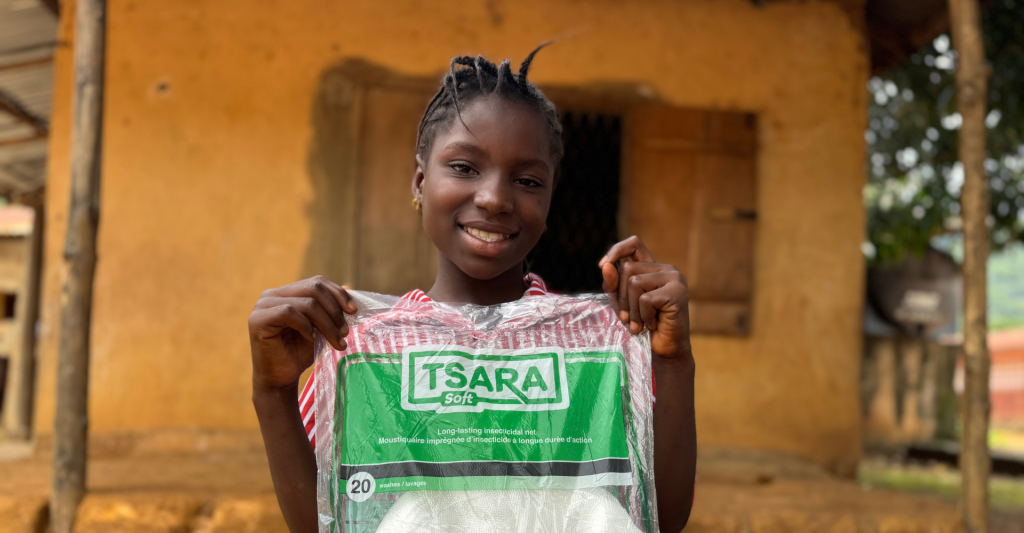
25,217 bed nets distributed to protect families from malaria
For 11-year-old Hawa, staying healthy is an important part of staying focused on her education.

Bed nets are still winning the fight against malaria in Kailahun
As dusk settles over communities in Kailahun District, Augusta carefully prepares her home for the...
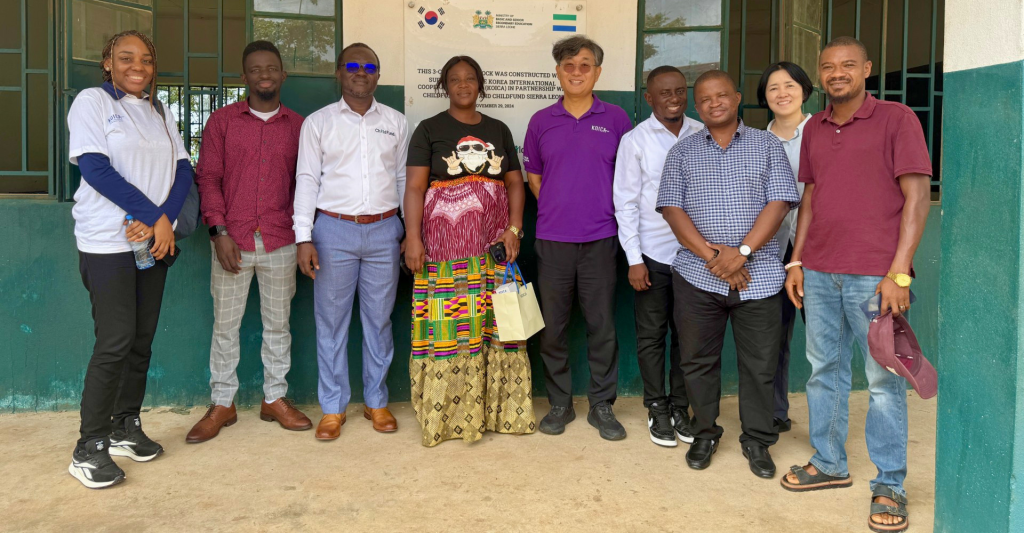
Six months on: ChildFund and KOICA review gains of girls’ education project in Sierra Leone
Six months after the completion of a transformative education initiative, ChildFund and the Korea International...