

When the pot keeps boiling: Women’s savings groups are transforming cocoa communities in Kono, Kenema & Kailahun
July 8, 2025
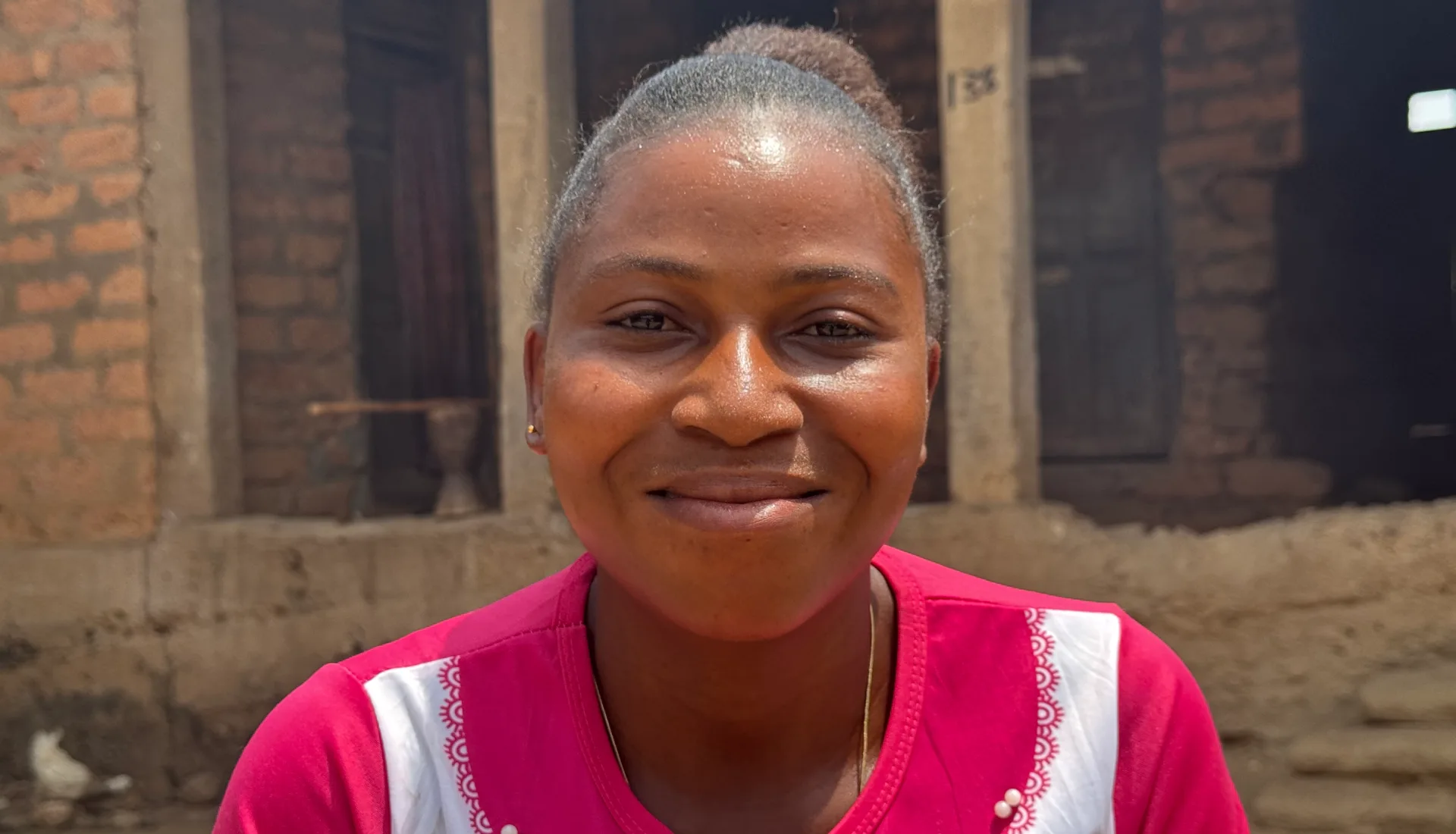
Sitta is a mother of two whose life has changed since she joined a savings group in her village that has enabled her to grow a small business, improve her cocoa farming, support her children’s education, and provide food and healthcare for her family, all without relying on exploitative moneylenders.
In the cocoa-growing areas of Kono, Kenema, and Kailahun district, many farming families, especially women and young people, face serious problems. They live in poverty, have little or no access to banks or loans, and often use farming methods that are not good for the land.
Even though cocoa can bring in money, many small farmers find it hard to improve their lives. This is because they don’t have good ways to save money or borrow when needed. Because of this, many families and individuals struggled to afford food, send their children to school, or pay for medical care.
One of these people is Sitta, 22, a mother of two whose life has changed since she joined a savings group in her village. “Life was really hard for us. Money lenders used to exploit us in this community. So many times, we have had to lose our produce to money lenders, since we couldn’t pay back the huge interest on our necks, said Sitta, disappointingly.”
Sitta is now part of a project called Establishing Regenerative Organic Cocoa Agroforestry in Sierra Leone, which is part of a bigger effort called the Agro-Tech Development Support Project. The project is funded by the European Union and Tradin Organic and it is implemented by ChildFund in Sierra Leone. The project, set to run for two years, supports farmers by teaching them better ways to manage money through savings groups and to protect their children from Child labor.
“Since joining this group, life has been smooth, and my pot hasn’t stopped boiling,” Sitta says happily. “I used a loan from the group to grow my business, and now it’s doing well.”
These savings groups are called Village Savings and Loan Associations (VSLAs). In these groups, members save money together, give each other small loans, and share profits at the end of the year. So far in the second phase of the project, 25 out of 50 planned farmer groups have formed VSLAs. Together, they have saved 312,410 Sierra Leone Leones (€13,700) and earned a profit of 146,897 Leones (€6,045).
For Sitta, this means she can now plan her future and take care of her family.
“Before, when I needed money or my child was sick, I had no one to help. Now, I can support myself,” she says.

Other people in the group are using their loans to pay for school supplies, hospital bills, university fees, and to start their own small businesses. These groups are helping men and women become stronger, more independent, and able to take care of their families.
Sitta was among the first people to take a loan from the group. “I took a loan of 5,000 leones (USD 200), which I used to start a palm oil business, coupled with petty trading in assorted items. and improve on my cocoa produce. I paid back my loan in no time, and it attracted very little interest as compared to that of the money lenders,’’ she said.
In March 2025, ChildFund Sierra Leone’s Programs and Sponsorship Director, Isatu Venn, visited one of the Cooperatives in Sitta’s community in Kenema district, on a monitoring and donor visit. What she saw was more than just cocoa farming. She saw people like Sitta taking control of their lives and building better futures.

“This is what real development looks like,” said Venn. “It’s when people grow economically and become stronger as a community.”
Back in her village, Sitta continues to cook for her children and run her petty trade, coupled with her cocoa business. Her income helps her buy food, send her kids to school, and care for her family.
“This group gave me freedom. Now I can speak up and build a better life for myself and my children,” she says.
ChildFund is supporting over 150 savings groups in other districts of Koinadugu, Bombali and Falaba, giving especially women the requisite skills to champion and strengthen their own local and household economies.




Related Resources
Six months on: ChildFund and KOICA review gains of girls’ education project in Sierra Leone
Six months after the completion of a transformative education initiative, ChildFund and the Korea International...

Meet the farmers uniting against child labor in Koinadugu
Rugiatu, Saran, Kumba, and Adama are cassava farmers and mothers living in Koinadugu District. Like...
ChildFund, UK, Denmark, Sierra Leone gov’ts, UNICEF & LEGO commit USD 15.3 M to early childhood care and education
ChildFund, together with the governments of Denmark, the United Kingdom, and Sierra Leone, alongside the...