Victor Kamara
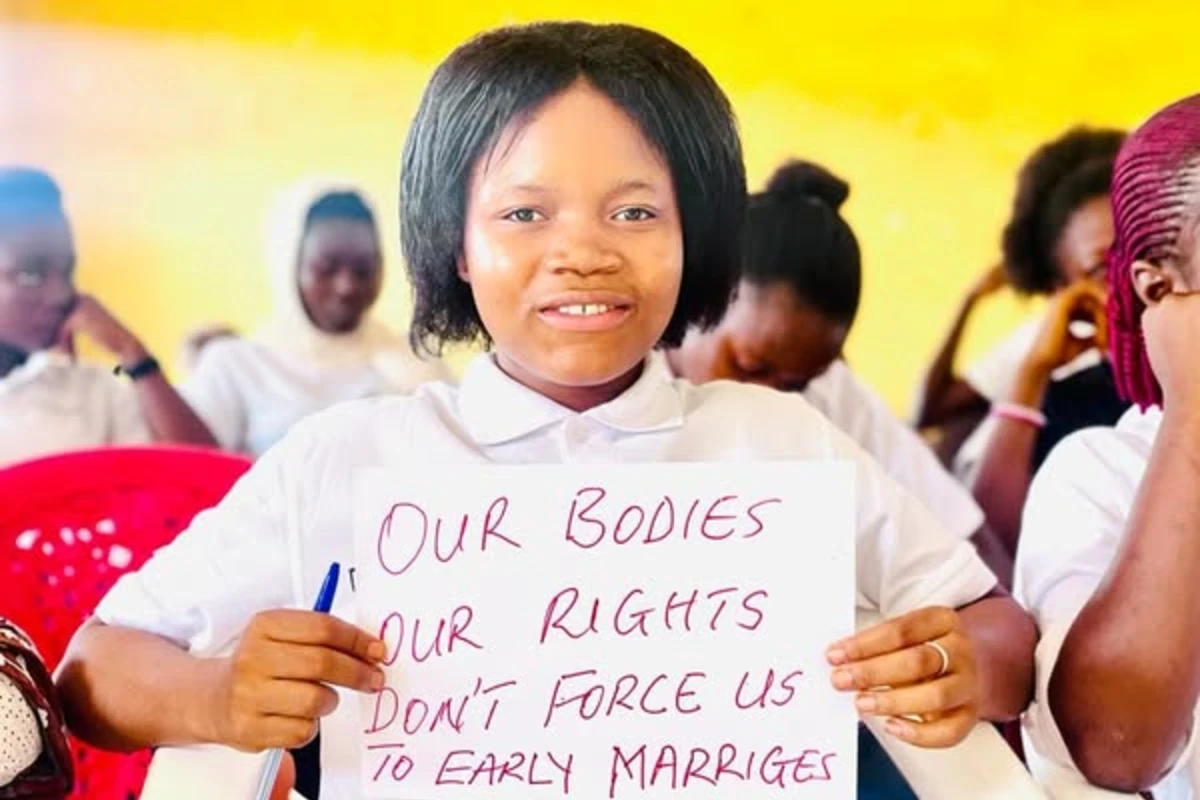
A new chapter for sierra leone’s girls — what’s next after the child marriage ban?
The recent decision by the government of Sierra Leone to outlaw child marriage marks a monumental victory for children’s rights in the country. For decades, child marriage has robbed young girls of their future, denying them education, health, and the opportunity to thrive. The new law brings renewed hope and a promise of change, but legislation is just the first step. Now, the focus must shift to implementation, changing social norms, and ensuring that communities are equipped to protect the rights of every child.
As the Country Director of ChildFund Sierra Leone, I recognize the pivotal role International Non-governmental Organizations (INGOs) like ours must play in shaping this next phase. This law gives us an unprecedented opportunity to partner with the government and communities to build on this progress, ensuring the change is deep, sustainable, and far-reaching.
Ending child marriage is one of our advocacy priorities, and I am glad to see these collective efforts by the office of the First Lady and the Government, and other like-minded organizations, to end this in the country.
Moving forward, here are key recommendations for INGOs working in Sierra Leone:
Support Community-Led Education and Awareness Programs
Laws alone cannot change deeply embedded cultural practices. Child marriage is often fueled by poverty, lack of education, and entrenched traditions. INGOs must work closely with community leaders, traditional authorities, and local influencers to raise awareness of the dangers of child marriage and the benefits of keeping girls in school. We need to support grassroots campaigns that engage parents, religious leaders, and young people in conversations about children’s rights, reproductive health, and gender equality.
Collaborating to raise awareness on the Prohibition of Child Marriage Act
In February 2024, ChildFund, in collaboration with World Vision, Plan International, Save the Children International, and SOS Children’s Villages International launched the Joining Forces (JF) Alliance Sierra Leone Chapter. This coalition brings together five major organizations to advocate for and advance children’s rights across Sierra Leone. Although each organization employs unique strategies to address violence and abuse against children, they are united in delivering a shared message on critical child protection issues. Together, they will address pressing concerns like child marriage, the impact of climate change on girls, female genital cutting (FGC), and more.
Strengthen Girls’ Education and Economic Strengthening Programs
One of the most powerful antidotes to child marriage is education. Girls who stay in school are less likely to be married off early. INGOs should expand programs that provide scholarships, school supplies, and mentorship for vulnerable girls, especially those at risk of dropping out. Simultaneously, we should support vocational training and income-generating opportunities for young women and families, as financial pressure is often a key driver of early marriage.
Collaborate with the Government on Child Protection Systems
The ban on child marriage must be coupled with robust child protection systems. INGOs should partner with government agencies to strengthen the enforcement of this law, ensuring that the relevant actors are trained and equipped to handle cases of child marriage effectively. This includes working with social workers, the judiciary, and law enforcement to establish clear referral pathways for at-risk children, survivors of child marriage, and those who need rescue and support services.
Engage Men and Boys as Champions of Change
Efforts to end child marriage cannot succeed without involving men and boys. INGOs must develop programs that engage boys and young men as allies in promoting gender equality. By challenging harmful gender norms and encouraging positive masculinities, we can develop a culture where boys become advocates for their sisters’ right to education and freedom from early marriage. In one of ChildFund’s education programs, The Western Area—the Increasing Access to Secondary Education for Out-of-School Girls project, we have seen how male action groups (comprising men in communities where the project is implemented and traditional leaders) are taking the lead in advocating for girls’ educational and social rights. Our work with these male action groups and other partners has led to over 240 girls who were out of school being reenrolled in secondary school.
Invest in Data and Monitoring Systems
Tracking progress is critical to ensure the effectiveness of interventions. INGOs should support the development of systems that monitor the enforcement of the new law and the prevalence of child marriage. Collecting reliable data will enable us to identify gaps, measure impact, and adjust our strategies to ensure the most vulnerable girls are not left behind. As an organization, we have our internal digital Monitoring and Evaluation and Learning system called CAMEL (Comprehensive Approach to Monitoring, Evaluation and Learning. Using this system, we will continue monitoring progress in ChildFund’s areas of operation in the country.
Nurture Partnerships with Local Organizations
ChildFund is an organization that believes in a locally -led program implementation. Since 2005, we have been working with local partner organizations— Daindemben Federation in Koinadugu and Falaba, Munafa-M’Patie Federation in Bombali and Ndomakeh Federation in Kailahun Districts. Together, we have charted the way forward for girls and boys. Local organizations often have the deepest understanding of the challenges and strengths within their communities. INGOs should prioritize partnerships with local NGOs, civil society organizations, and youth groups to ensure interventions are context-specific and sustainable. By strengthening the capacity of local actors, we can ensure that progress continues even after international organizations phase out their direct involvement.
Grassroots networks play a pivotal role in combating child marriage in Sierra Leone by addressing the issue at the community level, where the practice is most prevalent. These networks are essential for enhancing awareness, driving behavior change, and implementing sustainable solutions through Community Awareness and Education, strengthening the capacity of Girls and Families, Advocacy and Policy Implementation, Building Alliances: By creating strong partnerships with schools, health centers, and international organizations, grassroots networks ensure a coordinated and holistic approach to tackling child marriage, among others.
Advocate for Comprehensive Reproductive Health Services
Adolescents need access to reproductive health education and services. INGOs should work with health ministries to ensure that young girls and boys have access to family planning, counseling, and reproductive health services. These services are crucial in preventing pregnancies that often precipitate early marriage and in promoting the overall health and well-being of adolescents. ChildFund’s programs for adolescents and youth aged 15 to 24 prioritize addressing their sexual and reproductive health (SRH) needs, recognizing this as a critical component of their overall well-being and development.Engage in Continuous Policy Advocacy
While the law banning child marriage is a critical milestone, there is still work to be done. INGOs must continue to advocate for policies that strengthen girls’ rights, including access to education, protection from violence, and healthcare. Continuous dialogue with policymakers, both at the national and international levels, will ensure that children’s rights remain a priority on the government’s agenda.
It’s now or never!
Sierra Leone’s ban on child marriage is a courageous step toward securing a brighter future for its children. But as we celebrate this victory, we must also recognize the long road ahead to ensure that this law translates into real, lasting change for the girls it seeks to protect. As INGOs, we must remain steadfast in our commitment to empowering children, engaging communities, and working alongside the government to dismantle the root causes of child marriage.
The time to act is now. Together, we can ensure that every child in Sierra Leone enjoys the right to grow, learn, and dream without the shadow of child marriage limiting their potential.
By working in partnership with local communities, the government, and other stakeholders, we can transform this historic legislation into meaningful progress for the nation’s children.
SHARE: